
 Web
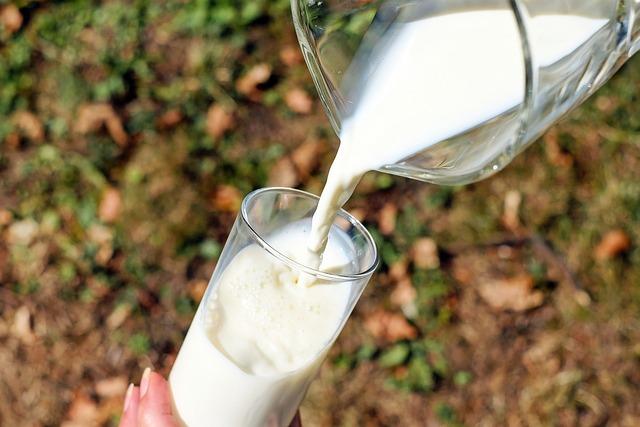
In the bustling aisles of the modern grocery store, a quiet revolution is taking place. Once dominated by the familiar cartons of cow’s milk, the shelves now boast a vibrant array of plant-based milk alternatives, each with its own unique flavor profile and nutritional benefits. From the creamy richness of almond milk to the subtle sweetness of oat milk, these innovative beverages are capturing the attention of consumers worldwide. As dietary preferences shift and environmental awareness grows, the rise of plant-based milks is more than just a trend—it’s a reflection of a broader movement towards sustainable and health-conscious living. Join us as we explore the diverse world of plant-based milk alternatives, delving into their origins, their impact on the environment, and the ways they are reshaping our culinary landscapes. Whether you’re a curious newcomer or a seasoned plant-based enthusiast, this journey promises to offer fresh insights into the future of milk as we know it.
Exploring the Nutritional Landscape of Plant-Based Milks
In recent years, plant-based milk alternatives have surged in popularity, offering a diverse array of options for those seeking dairy-free choices. These alternatives not only cater to lactose-intolerant individuals but also appeal to those who are environmentally conscious or following a vegan lifestyle. The nutritional profiles of these plant-based options can vary significantly, providing unique benefits tailored to different dietary needs.
Among the most popular choices are:
- Almond Milk: Known for its light, nutty flavor, almond milk is low in calories and often enriched with calcium and vitamin D.
- Soy Milk: A high-protein option, soy milk is rich in essential amino acids and often fortified with vitamins and minerals, making it a robust substitute for cow’s milk.
- Oat Milk: With its creamy texture, oat milk is a favorite for coffee enthusiasts and is often fortified with fiber, B vitamins, and iron.
- Coconut Milk: Offering a rich, tropical taste, coconut milk is high in healthy fats and often used in cooking and baking for added flavor.
Each of these options presents a unique nutritional profile, allowing consumers to choose based on personal health goals and taste preferences. Whether you’re looking for a high-protein boost, low-calorie intake, or a specific vitamin fortification, the world of plant-based milks has something to offer everyone.
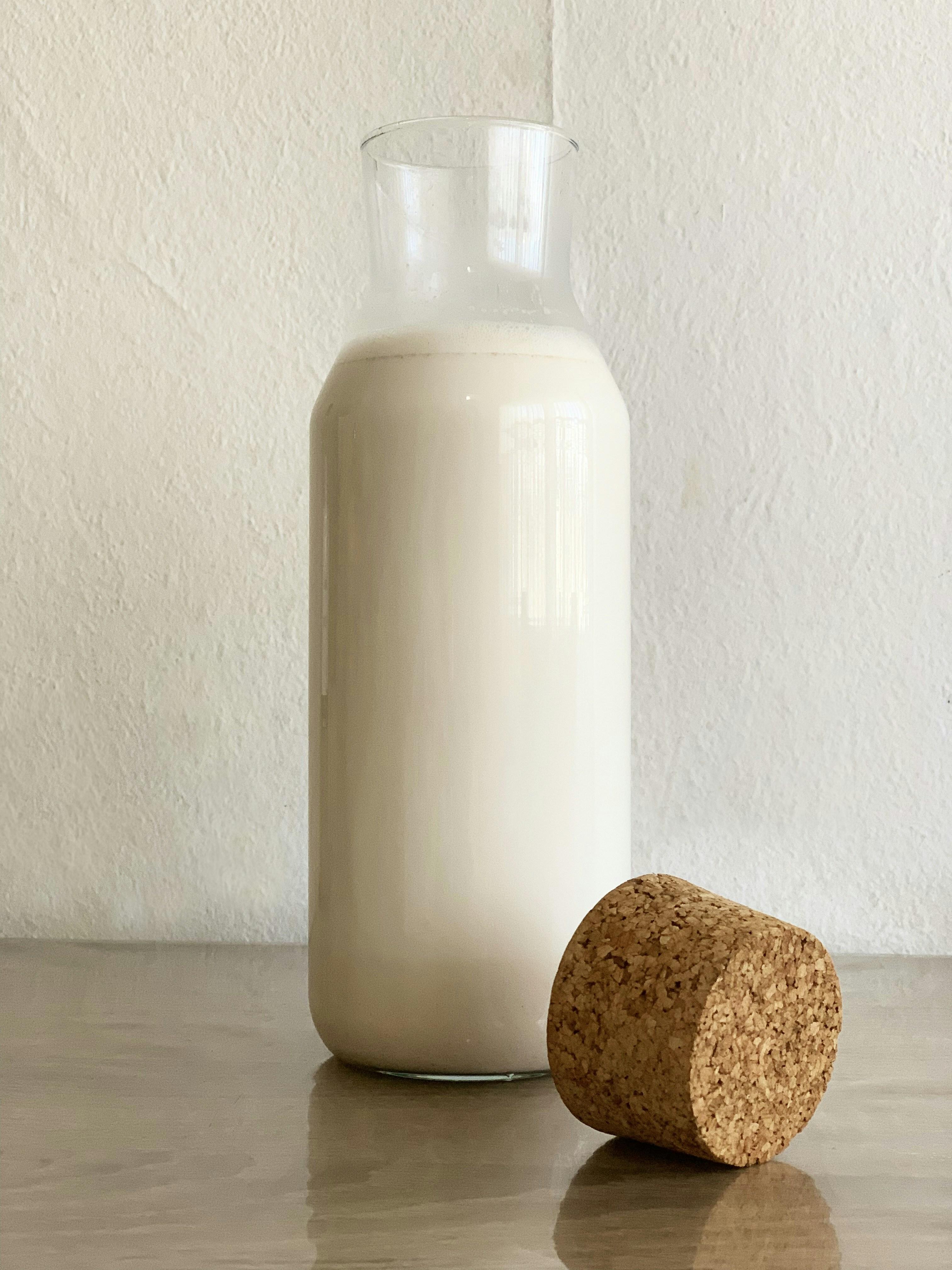
From Almond to Oat: Flavor Profiles and Best Uses
In the ever-expanding world of plant-based milks, each option boasts its own unique flavor profile and culinary applications. Almond milk offers a subtly sweet and nutty taste, making it a popular choice for smoothies and coffee alike. Its light texture is ideal for baking, lending a delicate flavor to cakes and muffins. On the other hand, oat milk brings a creamy consistency and a mild, slightly sweet taste that complements both savory and sweet dishes. It’s a barista’s favorite, perfect for creating a frothy latte or adding a smooth finish to soups and sauces.
- Almond Milk: Best for smoothies, baking, and coffee.
- Oat Milk: Ideal for lattes, soups, and creamy dishes.
Environmental Impact: How Plant-Based Milks Compare to Dairy
When it comes to assessing the ecological footprint of different milk options, plant-based alternatives generally have a lighter impact on our planet compared to traditional dairy. Dairy production often involves significant greenhouse gas emissions, extensive water usage, and land resources. In contrast, many plant-based milks offer a more sustainable choice. For instance:
- Almond milk: While it requires considerable water for cultivation, its overall carbon footprint is still lower than that of cow’s milk.
- Oat milk: Known for its minimal water usage and reduced emissions, it emerges as one of the most eco-friendly options.
- Soy milk: Its moderate land and water demands, coupled with lower greenhouse emissions, make it a solid alternative.
Moreover, choosing plant-based milks contributes to reduced deforestation and biodiversity loss, as these alternatives require less agricultural land. As consumers become more environmentally conscious, the demand for these sustainable milk options continues to grow, prompting innovation and variety in the market.

Choosing the Right Milk Alternative for Your Dietary Needs
In the world of plant-based milk, options abound, each offering a unique profile of nutrients and flavors. When deciding on the best choice for your diet, it’s essential to consider both nutritional content and personal preferences. Almond milk is a popular choice, known for its light texture and nutty taste. It’s low in calories and often fortified with vitamins like D and E, making it a great option for those looking to reduce calorie intake. However, it lacks the protein found in cow’s milk, so it might not be suitable for everyone.
Soy milk, on the other hand, is a more protein-rich alternative, closely mirroring the protein content of dairy milk. It’s an excellent choice for those needing a protein boost, and it often comes fortified with calcium and vitamin D. For those with nut allergies, oat milk offers a creamy texture and is naturally sweet. It’s a fantastic source of fiber and tends to have a lower environmental impact. Additionally, coconut milk brings a rich and tropical flavor, perfect for culinary adventures, though it’s higher in saturated fats. Each alternative brings something different to the table, allowing you to align your choice with your dietary goals and taste preferences.
- Almond Milk: Low calorie, vitamin-rich, low protein
- Soy Milk: High protein, calcium-fortified, nut-free
- Oat Milk: High fiber, naturally sweet, eco-friendly
- Coconut Milk: Rich flavor, higher in saturated fats
To Conclude
As we close the chapter on our exploration of plant-based milk alternatives, it’s clear that this vibrant world of options offers more than just a substitute for traditional dairy. From the nutty embrace of almond milk to the creamy allure of oat milk, each alternative brings its own unique flavor profile and nutritional benefits to the table. These plant-based elixirs are reshaping our culinary landscapes, inviting us to rethink the possibilities within our morning coffees, smoothies, and even baking endeavors. Whether you’re drawn to these alternatives for health reasons, environmental concerns, or simply a curiosity for new tastes, the journey is as rewarding as it is diverse. As you navigate the aisles of your local grocery store or experiment in your kitchen, remember that each choice you make is a small step towards a more inclusive and sustainable food future. Here’s to embracing change, one delicious sip at a time.