
 Web
Web

In the serene corners of your kitchen, the gentle hiss of steam and the comforting aroma of freshly brewed espresso can transport you to the bustling cafes of Paris or the cozy coffee houses of Seattle. Crafting a restaurant-quality latte at home is more than just a morning ritual; it’s an art form, a sensory experience that awakens the soul and delights the palate. Whether you’re a seasoned barista or a curious coffee enthusiast, mastering the perfect latte involves a blend of precision, creativity, and a touch of magic. Join us as we explore essential tips and techniques to elevate your homemade lattes from ordinary to extraordinary, transforming your daily caffeine fix into a gourmet indulgence.
Mastering the Art of Espresso Extraction
Achieving the perfect espresso extraction is crucial for crafting a latte that rivals those from your favorite café. Begin by selecting high-quality, freshly roasted beans, as the freshness and quality of your coffee directly impact the flavor profile. Grind size plays a pivotal role; aim for a fine, consistent grind to ensure even extraction. Adjust your grind based on the flow rate—if your espresso is pouring too quickly, try a finer grind, and if it’s too slow, opt for a coarser one. Tamping is another critical factor; apply firm and even pressure to the coffee grounds to create a level surface, ensuring a balanced extraction.
- Water Temperature: Maintain a temperature between 195°F and 205°F for optimal extraction.
- Extraction Time: Aim for a shot time of 25-30 seconds to achieve a rich, full-bodied espresso.
- Espresso Machine: Regularly clean your machine to prevent build-up that can affect taste.
Experimenting with these variables can lead you to your ideal extraction, paving the way for lattes that are rich in flavor and aroma. Embrace the process and fine-tune each element to discover the sweet spot that brings out the best in your beans.
The Science of Milk Steaming and Frothing
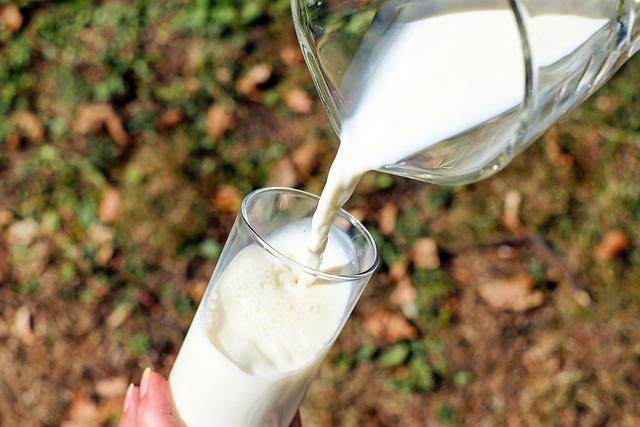
Achieving that perfect, velvety microfoam in your latte is both an art and a science. The key lies in understanding the unique properties of milk and how it transforms under heat. Milk is composed of proteins, fats, and water, and each plays a crucial role in the frothing process. When heated, the proteins in milk, particularly casein and whey, unfold and form a network that traps air, creating the desired foam. The fats, on the other hand, lend creaminess and stability to the foam, but too much can hinder the frothing process. This is why whole milk is often recommended for its balanced composition, though alternative milks like almond or oat can be equally delightful with some practice.
To master the technique, consider these essential tips:
- Start with Cold Milk: Cold milk gives you more time to achieve the perfect froth before it overheats.
- Use the Right Tools: A quality steam wand or frother can make all the difference in achieving a smooth, creamy texture.
- Find the Sweet Spot: Position the steam wand just below the surface of the milk to introduce air, then lower it to heat and texture the milk.
- Listen for the Hiss: The sound of milk steaming is your guide; a gentle hiss indicates that you’re on the right track.
By paying attention to these details, you can recreate that barista-level foam that elevates your homemade latte from ordinary to extraordinary.
Creating Latte Art Like a Barista
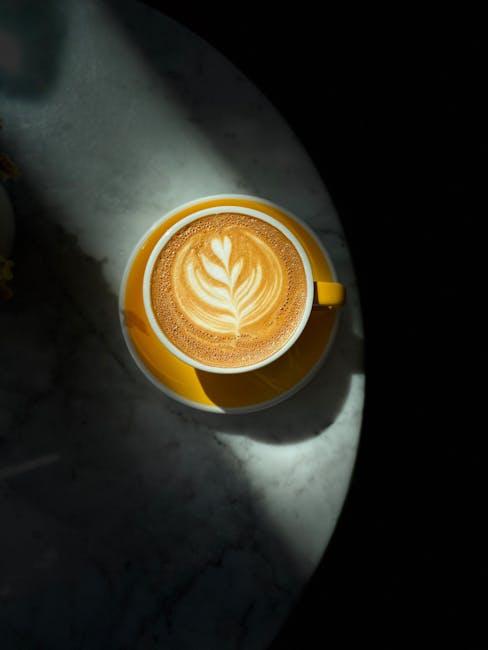
Mastering the art of crafting beautiful designs on your morning latte can elevate your coffee experience to a whole new level. To start, focus on the quality of your milk. Use whole milk for its creaminess, or opt for oat milk if you’re looking for a dairy-free alternative that froths well. Make sure the milk is steamed to the right temperature—between 150°F and 155°F—creating a silky microfoam that will glide smoothly onto your espresso.
- Choose the right tools: A small stainless-steel pitcher with a pointed spout is ideal for precision pouring.
- Perfect your pour: Begin by holding the pitcher high to allow the milk to penetrate the espresso, then gradually lower it to create intricate designs.
- Practice basic patterns: Start with simple shapes like hearts or rosettas, and as you gain confidence, experiment with more complex motifs.
Patience and practice are key. Each cup you make is an opportunity to refine your technique and get closer to achieving those stunning barista-quality lattes that are almost too beautiful to drink!

Exploring Flavor Enhancements and Syrups
Elevate your homemade latte experience by experimenting with a variety of flavor enhancements and syrups. Infusing your coffee with these additions can transform a simple drink into a gourmet delight. Start with classic options like vanilla, caramel, or hazelnut syrups to add a familiar and comforting taste. For those seeking a more adventurous flavor profile, consider seasonal syrups such as pumpkin spice, peppermint, or lavender. These can add a unique twist and make your latte feel like a special treat.
- Vanilla Syrup: Adds a sweet and floral note.
- Caramel Syrup: Provides a rich and buttery taste.
- Hazelnut Syrup: Offers a nutty and earthy flavor.
- Pumpkin Spice: Perfect for autumn, with hints of cinnamon and nutmeg.
- Peppermint: A refreshing choice for the winter months.
- Lavender: Delivers a soothing and aromatic experience.
For a personalized touch, try making your own syrups at home using simple ingredients like sugar, water, and natural flavorings. This allows you to control the sweetness and intensity of the flavors, ensuring each sip is perfectly tailored to your taste. Remember, the key to achieving a balanced latte is to complement, not overpower, the natural flavors of your coffee.
To Conclude
As you embark on your journey to crafting the perfect latte at home, remember that each cup is not just a beverage but an experience. With these tips in your arsenal, you’re well-equipped to transform your kitchen into a personal café, where the art of coffee-making is limited only by your imagination. Experiment with flavors, perfect your frothing technique, and, most importantly, savor the process as much as the result. Whether you’re sharing a morning ritual with loved ones or indulging in a moment of solitude, may each sip transport you to your favorite corner café. Here’s to the endless possibilities that await in every cup, and to the barista within you. Cheers!