
 Web
Web

In the effervescent world of beverages, where flavors dance on the palate and fizz tickles the senses, a quiet revolution is bubbling beneath the surface. As consumers increasingly seek healthier alternatives without sacrificing taste, artificial sweeteners have emerged as the star players in this evolving narrative. Yet, behind their alluring promises of guilt-free indulgence, questions loom large: Are these sugar substitutes truly safe, or do they carry hidden risks? This article delves into the complex realm of artificial sweeteners in drinks, unraveling the science, examining the controversies, and exploring the delicate balance between innovation and caution. Join us as we sip through the facts and fiction, navigating the sweet paradox that defines our modern thirst for healthier choices.
Understanding the Science Behind Artificial Sweeteners
In the realm of nutrition and health, artificial sweeteners often stir up debates, yet understanding their scientific underpinnings can help clarify their role in our diets. These sweeteners are synthetic sugar substitutes that mimic the sweetness of sugar with significantly fewer calories. Chemically diverse, they include compounds such as aspartame, saccharin, and sucralose. Each of these has unique properties that allow them to provide sweetness without the caloric impact of sugar. For instance, aspartame is approximately 200 times sweeter than sugar, which means only a small amount is needed to achieve the desired sweetness.
- Aspartame: Composed of phenylalanine and aspartic acid, this sweetener is broken down into its constituent amino acids in the body.
- Saccharin: One of the oldest artificial sweeteners, it is not metabolized by the body, thus contributing no calories.
- Sucralose: Derived from sugar, it is chlorinated to prevent it from being broken down, passing through the body without being digested.
These compounds are rigorously tested for safety by numerous health organizations worldwide. Despite ongoing research and scrutiny, the consensus is that when consumed within recommended limits, artificial sweeteners are safe for most people. However, some studies suggest potential links to metabolic effects and gut microbiota alterations, though more research is needed to establish definitive conclusions. Thus, while they offer a calorie-free alternative to sugar, moderation remains key.
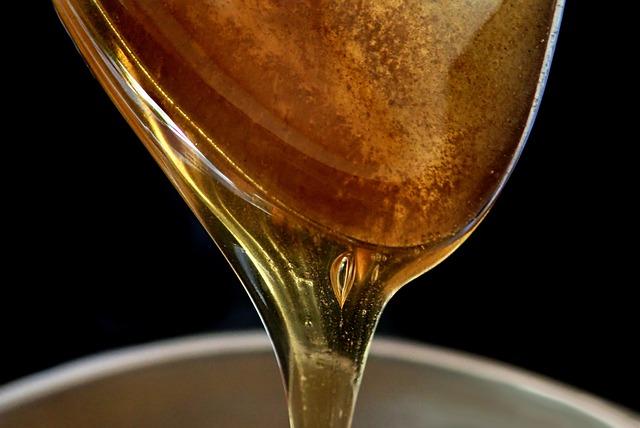
Potential Health Implications of Sweetened Beverages
In the quest to reduce sugar intake, many turn to beverages sweetened with artificial substitutes. While these alternatives can help manage calorie consumption, their long-term health effects remain a subject of debate. Some studies suggest potential links between artificial sweeteners and various health issues. Here are a few areas of concern:
- Metabolic Effects: Some research points to artificial sweeteners potentially altering gut microbiota, which could impact metabolism and glucose tolerance.
- Neurological Concerns: There is ongoing investigation into how these sweeteners might affect brain function, including appetite regulation and cravings.
- Gut Health: Changes in gut bacteria composition due to artificial sweeteners may have implications for digestive health and immune system functionality.
On the flip side, regulatory bodies like the FDA and EFSA have deemed several artificial sweeteners safe for consumption within established limits. It’s crucial for consumers to stay informed and consider both scientific findings and personal health conditions when choosing their beverages.

Comparing Artificial Sweeteners to Natural Alternatives
When it comes to sweetening our favorite drinks, the debate between artificial sweeteners and natural alternatives is as vibrant as ever. Artificial sweeteners like aspartame, sucralose, and saccharin are popular choices for those seeking a low-calorie option. These synthetic compounds are engineered to provide a sweet taste without the added calories of sugar, making them a go-to for diet-conscious consumers. On the other hand, natural alternatives such as honey, stevia, and agave nectar offer a sweetness derived from nature’s bounty, often accompanied by additional nutrients and antioxidants.
Artificial Sweeteners:
- Zero or low-calorie options
- Highly sweet, requiring smaller quantities
- Stable in high-temperature conditions
Natural Alternatives:
- Minimal processing, retaining natural benefits
- Often rich in vitamins and minerals
- More sustainable and eco-friendly
Both options come with their own sets of advantages and considerations. Artificial sweeteners have been scrutinized for potential health risks, though many health organizations deem them safe in moderation. Conversely, while natural alternatives may offer additional health benefits, they can also be higher in calories and sugars. Thus, the choice between these sweetening options often boils down to individual preferences and dietary goals.

Expert Recommendations for Safe Consumption
When it comes to incorporating artificial sweeteners into your diet, experts suggest a balanced approach. Moderation is key. While these sweeteners can be a helpful tool for reducing sugar intake, it’s important to not over-rely on them. Consider these expert-backed tips:
- Read Labels Carefully: Pay attention to the ingredient list and the type of sweetener used.
- Stay Informed: Keep up-to-date with the latest research, as scientific understanding evolves over time.
- Mix and Match: Use a variety of sweeteners to avoid overconsumption of any single type.
- Listen to Your Body: Be mindful of any adverse reactions and consult with a healthcare provider if needed.
By following these guidelines, you can enjoy the benefits of artificial sweeteners while minimizing potential risks. Experts emphasize that the overall context of your diet and lifestyle plays a crucial role in determining the safety and efficacy of these products.
Closing Remarks
As we swirl the ice cubes in our fizzy drinks, pondering the mysteries of artificial sweeteners, it’s clear that the conversation is far from over. Much like the sweeteners themselves, the debate is layered and complex, offering no simple answers. As science continues to peel back the layers, consumers are left to navigate this sugary labyrinth with a blend of curiosity and caution. Whether you choose to sip with sweetened certainty or embrace the unknown, the glass is yours to fill. Here’s to informed choices, balanced perspectives, and the ever-evolving dance of taste and health. Until the next sip, may your drinks be delightful and your decisions well-considered. Cheers!