
 Web
Web

In a world where screens have become our windows to everything from news to entertainment, the vibrant allure of television commercials holds a significant sway over our daily choices. Among these, junk food ads stand out with their colorful imagery and catchy jingles, often leaving a lasting impression on viewers of all ages. As debates simmer over the impact of these ads on public health, particularly concerning rising obesity rates and unhealthy eating habits, a pivotal question emerges: should junk food advertisements be banned from our television screens? This article delves into the heart of this debate, exploring the arguments from both sides and examining the potential implications of such a ban on society, the food industry, and the future of advertising.
Impact of Junk Food Advertising on Childrens Health
In a world where children are constantly bombarded with colorful and enticing advertisements, the allure of junk food becomes almost irresistible. These ads are strategically designed to capture the young audience’s attention, often using vibrant imagery, catchy jingles, and beloved cartoon characters. Research suggests that such marketing strategies can significantly influence children’s food preferences, consumption patterns, and overall health. The constant exposure to junk food advertising is linked to an increase in childhood obesity, diabetes, and other health-related issues. This raises a crucial question: should the responsibility of safeguarding children’s health extend to regulating what they watch on television?
Key concerns regarding junk food advertising include:
- Targeted Marketing: Children, with their impressionable minds, are often the primary target of these ads.
- Unhealthy Choices: Advertisements typically promote foods high in sugar, salt, and unhealthy fats.
- Influence on Habits: Consistent exposure can lead to poor dietary habits that persist into adulthood.
Given these concerns, some argue that a ban could be a step towards creating a healthier environment for children, one that promotes nutritious eating habits rather than unhealthy cravings. Others suggest that rather than an outright ban, stricter regulations and more educational content could empower children and parents to make informed choices. The debate continues, highlighting the need for a balanced approach to advertising that prioritizes the well-being of future generations.
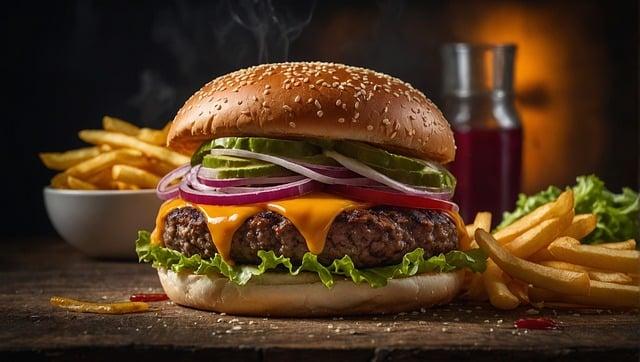
Exploring the Influence of Television Ads on Consumer Choices
Television advertisements have long held sway over consumer decisions, shaping our perceptions and desires with carefully crafted narratives and enticing visuals. When it comes to junk food, the impact of these ads is particularly significant. Studies suggest that exposure to these advertisements can lead to increased consumption of unhealthy foods, especially among children who are more impressionable. This raises the question: should there be a ban on junk food ads on TV to protect public health and promote healthier lifestyles?
There are several compelling arguments in favor of such a ban:
- Health Concerns: With rising obesity rates and related health issues, limiting exposure to junk food ads could be a step towards encouraging healthier eating habits.
- Vulnerable Audiences: Children and teenagers are particularly susceptible to advertising, often lacking the critical thinking skills to understand the long-term consequences of their food choices.
- Social Responsibility: Companies have a responsibility to consider the societal impact of their marketing strategies, and reducing junk food promotion could contribute positively to public health.
On the flip side, opponents argue that such bans could impinge on creative freedom and economic interests, as advertising is a significant revenue source for media outlets. The debate continues, with stakeholders from health advocates to industry representatives weighing the potential benefits and drawbacks.

Analyzing Global Policies on Junk Food Advertising Bans
In examining the diverse landscape of global regulations, we observe a fascinating tapestry of policies aimed at curbing junk food advertising. Countries like the United Kingdom have implemented stringent rules, restricting such ads during children’s television programming hours. The intent is to shield younger audiences from marketing strategies that could influence unhealthy eating habits. On the other hand, nations such as the United States have primarily relied on self-regulation within the industry, encouraging companies to adopt voluntary guidelines.
Key aspects of these global policies include:
– Time Restrictions: Limiting junk food ads to late-night slots.
– Content Limitations: Prohibiting ads that use cartoon characters or celebrities popular with children.
– Nutritional Standards: Only allowing ads for products meeting specific health criteria.
Each approach reflects a unique balance between public health priorities and economic interests, providing a rich ground for debate and policy development. The effectiveness of these measures continues to be a subject of study, with advocates arguing for stricter regulations to combat rising obesity rates, while opponents caution against potential impacts on free speech and the advertising industry.

Strategies for Reducing Junk Food Exposure Through Media Regulation
The debate over banning junk food advertisements on TV often centers around the potential impact on public health, especially among children. One effective approach to mitigate exposure is through media regulation. This could involve implementing stringent guidelines on the timing and content of ads, particularly during children’s programming hours. Additionally, introducing rating systems for advertisements, much like movie ratings, could inform viewers about the nutritional value of the products being promoted. By doing so, consumers can make more informed decisions and parents can better shield their children from unhealthy influences.
Another strategy is the promotion of healthier alternatives in place of junk food ads. Encouraging broadcasters to allocate a percentage of ad space to products that meet certain nutritional standards could gradually shift public perception and consumption patterns. Furthermore, incentivizing companies through tax breaks or subsidies for promoting healthier options may encourage a more balanced advertising landscape. Ultimately, while banning junk food ads entirely might be a contentious issue, these regulatory strategies could serve as a middle ground, fostering a healthier media environment without stifling commercial freedom.
The Conclusion
In the vibrant tapestry of modern media, the debate over banning junk food ads on TV continues to unfold, reflecting a broader dialogue about health, freedom, and responsibility. As we navigate this intricate landscape, the decision lies not only in the hands of policymakers but also within the hearts of consumers, parents, and advertisers alike. While the scales of public opinion may tip one way or another, what remains undeniable is the collective power we hold in shaping the narratives that dance across our screens. Whether advocating for a ban or championing personal choice, let us remember that the true essence of progress is found in informed, respectful discourse. As we switch off our screens tonight, perhaps the question isn’t just about what we see on TV, but how we choose to respond to it in our daily lives.