
 Web
Web

In the culinary tapestry of human history, red meat has long occupied a prominent position, celebrated for its rich flavors and nutritional density. Yet, as we advance into an era where scientific inquiry challenges traditional dietary norms, red meat finds itself at the center of a heated debate: its potential link to cancer. This article seeks to unravel the complex web of research and opinion surrounding this issue, examining whether abstaining from red meat might indeed serve as a bulwark against cancer. As we embark on this exploration, we will navigate the intricate landscape of scientific studies, expert opinions, and cultural influences, aiming to provide a balanced perspective on a question that touches both our plates and our health.
Exploring the Link Between Red Meat and Cancer Risk
When considering dietary choices and health, it’s crucial to examine the potential implications of consuming red meat. Numerous studies have suggested a connection between red meat intake and an increased risk of certain types of cancer. However, the evidence isn’t entirely conclusive. Some factors to consider include:
- Type of Meat: Processed meats, such as sausages and bacon, have been more strongly linked to cancer risks than unprocessed red meats.
- Cooking Methods: High-temperature cooking methods, like grilling and barbecuing, can produce harmful compounds that may increase cancer risk.
- Portion and Frequency: Moderation is key; excessive consumption might pose more risks compared to occasional intake.
It’s essential to balance the potential risks with the nutritional benefits that red meat can provide, such as protein, iron, and vitamin B12. Consulting with a healthcare professional for personalized dietary advice is always a prudent approach.

Nutritional Insights: Balancing Red Meat in a Healthy Diet
In the quest for a balanced diet, red meat often finds itself under scrutiny, particularly when discussing its potential links to cancer. While some studies suggest a correlation between high consumption of red meat and certain types of cancer, it’s crucial to approach these findings with a nuanced perspective. Red meat is a rich source of essential nutrients, including protein, iron, and zinc, which play vital roles in maintaining overall health. However, moderation is key. Emphasizing a varied diet that includes plant-based proteins, lean meats, and fish can help mitigate potential risks while ensuring nutritional adequacy.
- Opt for lean cuts of red meat, such as sirloin or tenderloin, to reduce saturated fat intake.
- Incorporate a variety of protein sources, including beans, lentils, and nuts, to diversify your nutrient intake.
- Consider cooking methods such as grilling, baking, or broiling instead of frying to minimize unhealthy fat consumption.
- Balance your plate with plenty of fruits, vegetables, and whole grains to complement the nutrients found in red meat.
By thoughtfully integrating red meat into your diet, you can enjoy its benefits while minimizing potential health risks. As always, consulting with healthcare professionals can provide personalized guidance tailored to your specific dietary needs.
Scientific Perspectives on Red Meat Consumption and Health
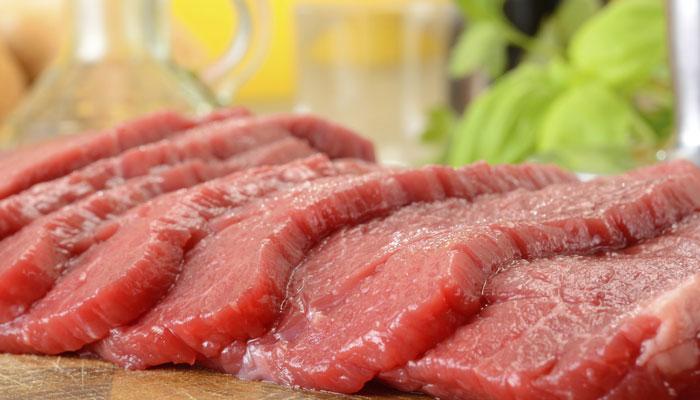
Scientific inquiry into the effects of red meat on health has revealed a complex relationship that cannot be distilled into a simple yes-or-no answer. On one hand, red meat is a valuable source of essential nutrients such as protein, iron, and vitamin B12. On the other, certain studies have pointed to a potential link between high consumption of red meat and an increased risk of certain cancers, particularly colorectal cancer. However, it’s crucial to note that the risk may be more closely associated with processed meats rather than fresh cuts.
Researchers have identified several factors that could influence this risk, including:
- Cooking Methods: High-temperature cooking, such as grilling or barbecuing, can produce carcinogenic compounds.
- Portion Size and Frequency: Large portions and frequent consumption may contribute to elevated risks.
- Type of Meat: Processed meats often contain preservatives and additives that are less present in fresh meats.
While the scientific community continues to explore these associations, many health experts recommend moderation and balance. Incorporating a variety of protein sources, including plant-based options, could be a prudent approach to maintaining health while potentially reducing cancer risk.
Practical Recommendations for Reducing Cancer Risk
While the debate over red meat and cancer risk continues, there are several actionable steps you can take to potentially reduce your risk of developing cancer. First and foremost, consider incorporating a variety of colorful fruits and vegetables into your daily diet. These foods are rich in antioxidants, which can help combat free radicals in the body. Additionally, aim to include more whole grains and legumes, as they are excellent sources of fiber and essential nutrients.
It’s also beneficial to focus on lifestyle modifications that complement dietary changes. Regular physical activity not only helps maintain a healthy weight but also boosts the immune system. Smoking cessation and limiting alcohol consumption are crucial steps in reducing cancer risk. Furthermore, be mindful of cooking methods: opt for grilling or baking over frying, and avoid charring meats, as this can produce harmful compounds. Lastly, make sure to stay informed and consult with healthcare professionals for personalized advice.
- Increase intake of fruits and vegetables
- Incorporate whole grains and legumes
- Engage in regular physical activity
- Avoid smoking and limit alcohol
- Choose healthier cooking methods
Future Outlook
In the grand tapestry of dietary choices, the question of whether to avoid red meat to prevent cancer is but one thread. As we’ve explored, the narrative is woven with scientific findings, cultural preferences, and individual health considerations. While the research offers a spectrum of insights, it ultimately leaves room for personal interpretation and decision-making.
As you stand at the crossroads of culinary choices, consider the broader landscape of your lifestyle and health goals. Whether you choose to savor a steak or opt for plant-based alternatives, remember that moderation and balance are key ingredients in the recipe for well-being. the choice is yours to make, guided by knowledge, intuition, and perhaps a touch of culinary curiosity. So, as you navigate your dietary journey, may your choices be informed, your meals satisfying, and your health robust.