 Web
Web
In the bustling world of nutrition, where the plate is as much a canvas as it is a battleground, the question of whether meat should grace a child’s diet is a topic as flavorful as it is complex. As parents and caregivers navigate the aisles of supermarkets and the annals of dietary advice, they find themselves at the crossroads of tradition and modernity, health and ethics. Is meat an essential building block for growing bodies, or can its role be seamlessly filled by plant-based alternatives? This article delves into the heart of this culinary conundrum, exploring the nutritional, ethical, and environmental dimensions of incorporating meat into a child’s diet. Join us as we unravel the layers of this multifaceted debate, serving up insights and perspectives that aim to nourish both mind and body.
Understanding Nutritional Needs in Growing Children
When considering the dietary requirements of children, it’s crucial to ensure they receive a balanced mix of nutrients to support their rapid growth and development. Protein plays a pivotal role in building muscles, tissues, and organs. While meat is a rich source of high-quality protein, iron, and B vitamins, it’s not the only option. Plant-based proteins such as beans, lentils, and tofu, along with dairy or fortified plant milks, can also contribute significantly to a child’s dietary needs. It’s important to focus on the variety and quality of the protein sources.
Additionally, parents should pay attention to the intake of essential micronutrients. Meat provides easily absorbable forms of iron and zinc, which are vital for cognitive development and immune function. However, these nutrients can also be sourced from fortified cereals, dark leafy greens, and nuts. For families choosing to limit or exclude meat, consulting with a pediatric nutritionist can help ensure that all nutritional bases are covered, ensuring a diet that supports robust health and growth.

Exploring the Benefits and Risks of Meat Consumption
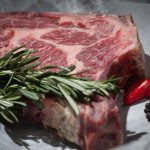
Meat has long been considered a staple in many diets due to its rich nutritional profile, but when it comes to children, the debate intensifies. Nutritionally, meat is a significant source of high-quality protein, essential for growth and development. It provides critical vitamins and minerals such as iron, zinc, and vitamin B12, which are vital for cognitive development and immune function. Some parents find that including meat in their child’s diet helps in maintaining energy levels and supports physical activities, which are integral to a child’s daily life.
However, there are potential risks associated with meat consumption, especially when not moderated. Concerns about saturated fats and cholesterol levels lead many to worry about long-term health implications, such as heart disease. Moreover, the quality and source of meat can also be problematic; processed meats and those with additives may pose additional health risks. Ethical considerations about animal welfare and environmental impacts further complicate the decision. Parents may want to consider the following when deciding on meat inclusion in their child’s diet:
- Opt for lean cuts to reduce intake of unhealthy fats.
- Balance with plant-based proteins to diversify nutrient sources.
- Be mindful of portion sizes to avoid overconsumption.
- Prioritize organic or grass-fed options to minimize exposure to antibiotics and hormones.

Plant-Based Alternatives and Their Nutritional Impact
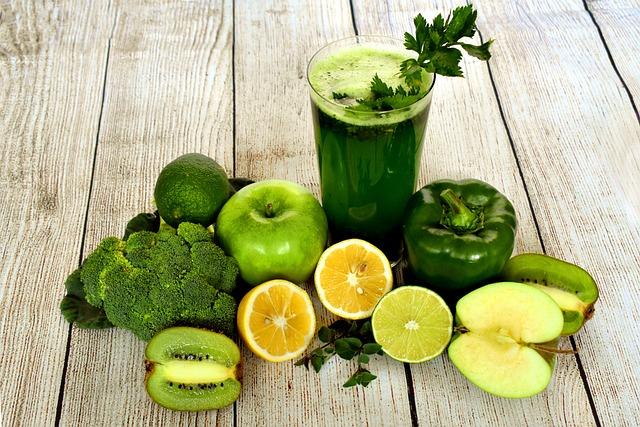
In the quest to provide a balanced diet for children, plant-based alternatives are increasingly capturing the spotlight. These options, such as lentils, chickpeas, and tofu, are not only rich in essential nutrients but also offer diverse culinary possibilities. Nutritional benefits of these alternatives include:
- High levels of fiber, which aid in digestion and maintain gut health.
- A good source of protein, crucial for growth and development.
- Rich in vitamins and minerals, such as iron, calcium, and vitamin B12, often fortified in plant-based products.
While plant-based foods can be nutritionally rich, ensuring a well-rounded diet is key. Combining different sources, like grains and legumes, can enhance the amino acid profile, providing a complete protein source similar to meat. Variety and balance remain the cornerstones of a nutritious diet, encouraging children to explore flavors and textures beyond traditional meat-based dishes.
Guidelines for a Balanced Diet in Childhood Development
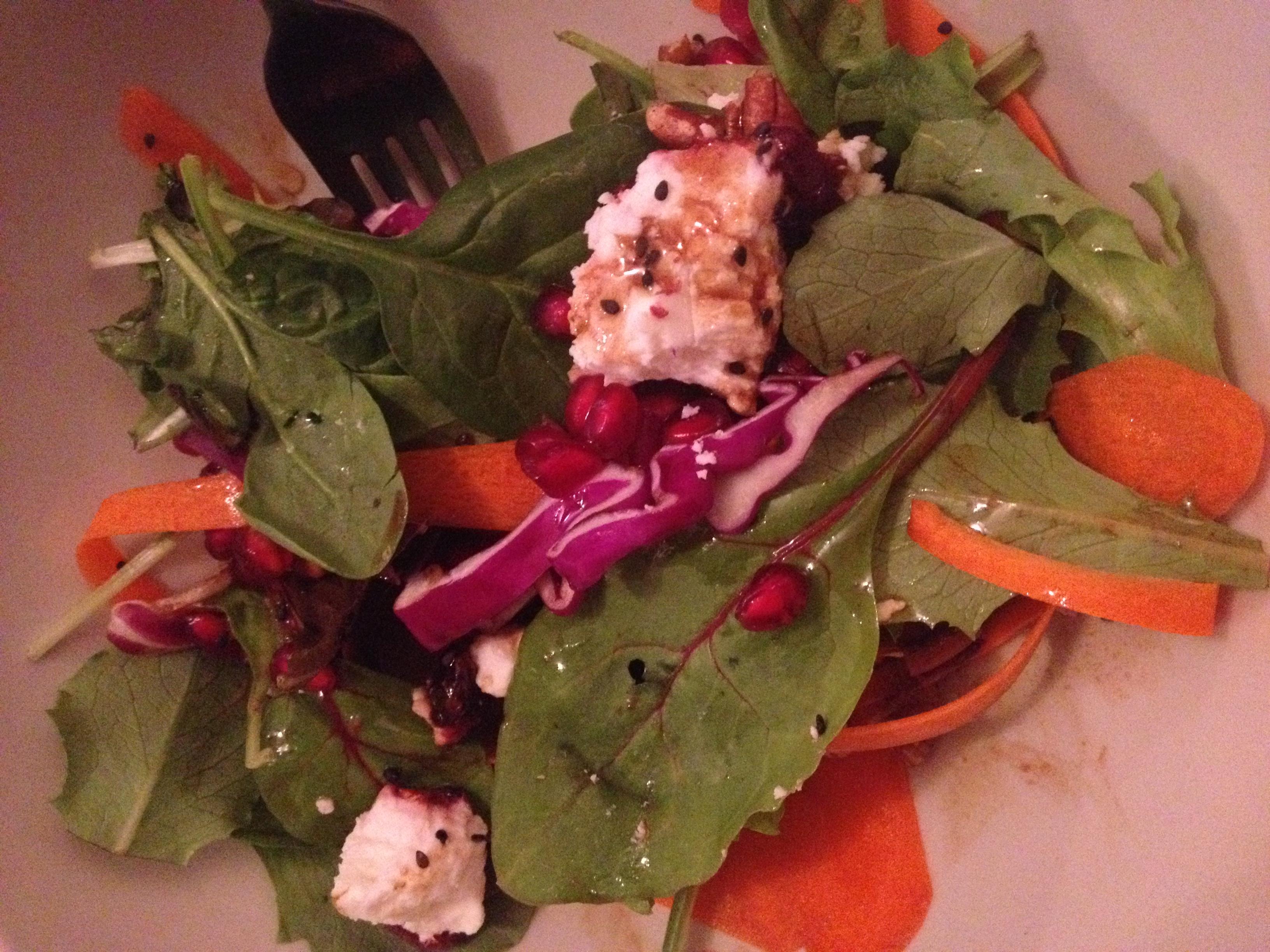
In the quest for optimal childhood development, crafting a balanced diet is paramount. While fruits, vegetables, and grains often take center stage, the role of meat in a child’s diet sparks intriguing discussion. Meat, rich in essential nutrients like iron, zinc, and vitamin B12, can be a valuable component, especially during formative years. These nutrients are crucial for supporting growth, enhancing brain function, and boosting the immune system. However, moderation and mindful choices are key. Parents and caregivers can consider lean meats such as chicken, turkey, and fish to provide these benefits while minimizing saturated fats.
For those exploring plant-based alternatives, ensuring adequate intake of these nutrients is essential. Consider incorporating:
- Legumes and beans, which are excellent sources of protein and iron.
- Nuts and seeds for healthy fats and zinc.
- Fortified cereals and plant milks to provide additional B12.
Balancing these options allows for a diet that meets nutritional needs, supporting robust childhood development without necessarily relying on meat.
In Summary
the question of whether meat should be part of a child’s diet is not one that can be answered with a simple yes or no. It is a multifaceted issue, woven with threads of nutritional science, cultural tradition, ethical considerations, and personal choice. Each family, with its unique tapestry of values and beliefs, must navigate this landscape thoughtfully, weighing the benefits of protein and essential nutrients against potential health concerns and ethical dilemmas. As we move forward in an ever-evolving world, the dialogue surrounding children’s diets will undoubtedly continue to unfold, inviting us to listen, learn, and adapt. In this journey, the most important ingredient remains an open mind, seasoned with understanding and respect for the diverse choices that shape our global community.