 Web
Web
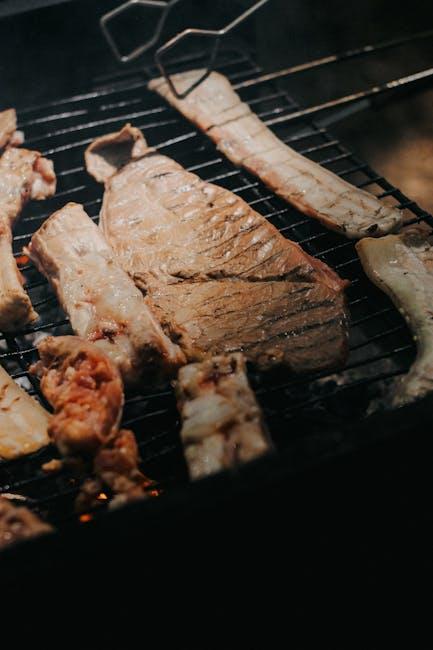
In the world of culinary delights, few dishes capture the imagination quite like beef short ribs braised in red wine. This classic pairing of tender meat and rich, aromatic wine has long been a staple in kitchens around the globe, bringing warmth and comfort to dining tables. Whether you’re a seasoned chef or a kitchen novice, the process of transforming humble short ribs into a succulent masterpiece is both an art and a science. In this article, we’ll guide you through the steps to create this sumptuous dish, revealing the secrets behind achieving melt-in-your-mouth tenderness and a sauce so flavorful it demands to be savored. So, grab your apron and a good bottle of red, and let’s embark on a culinary journey that promises to tantalize your taste buds and elevate your cooking repertoire.
Selecting the Perfect Cut: A Guide to Choosing Quality Beef Short Ribs
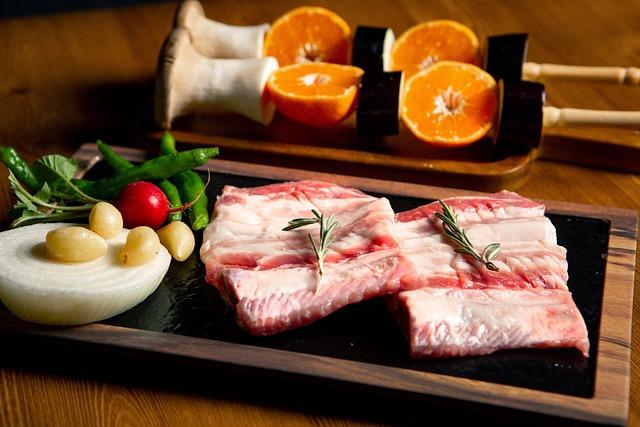
When it comes to creating a memorable dish of beef short ribs with red wine, the quality of the meat is paramount. Here are some key tips to ensure you choose the best cut:
- Marbling: Look for ribs with abundant marbling. These white streaks of fat running through the meat melt during cooking, infusing the ribs with rich flavor and tenderness.
- Color: Opt for beef that boasts a bright, cherry-red hue. This indicates freshness and quality. Avoid cuts that appear dull or brownish, as these may be past their prime.
- Bone Thickness: Select ribs with bones that are not too thick. Thinner bones mean more meat and less bone weight, ensuring you get the most out of your purchase.
By focusing on these characteristics, you’ll be well on your way to crafting a delectable dish that highlights the succulent nature of beef short ribs.
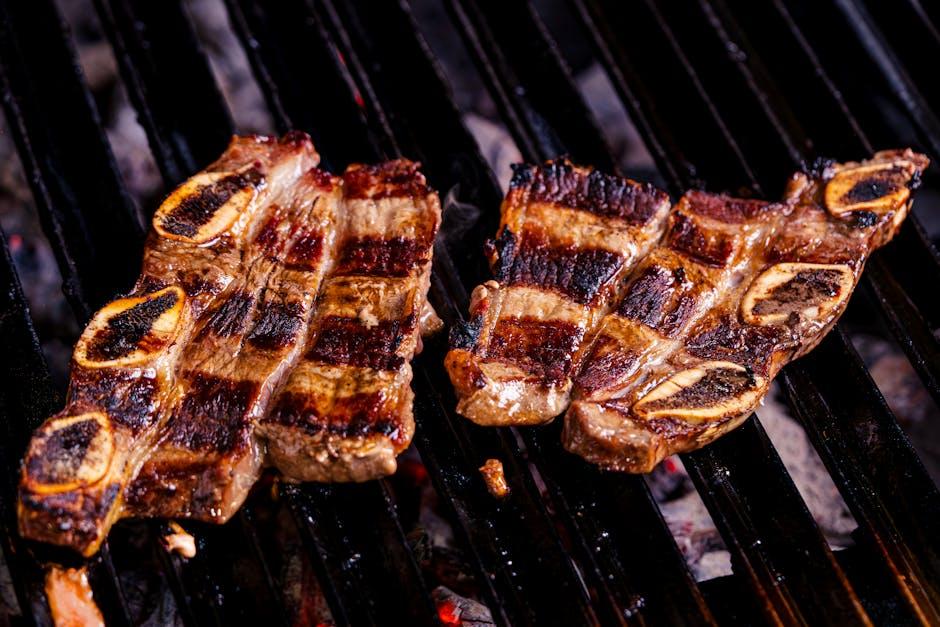
The Art of Marination: Enhancing Flavors with Red Wine and Herbs
The secret to elevating beef short ribs lies in the magical blend of red wine and herbs. This dynamic duo works wonders in breaking down the meat’s fibers, infusing it with deep, aromatic flavors. Imagine the earthy notes of rosemary mingling with the robust character of a full-bodied red wine, creating a symphony of tastes that dance on your palate. The marination process is not just a preparatory step; it’s an art form that requires patience and a keen sense of balance. As the beef soaks, the wine’s acidity tenderizes the meat, while the herbs impart a fragrant bouquet that tantalizes the senses.
To achieve this culinary masterpiece, consider incorporating the following ingredients into your marinade:
- Red Wine: Choose a wine that you would enjoy drinking, such as a Cabernet Sauvignon or a Merlot, for the best results.
- Fresh Herbs: Think thyme, rosemary, and bay leaves for a traditional touch, or experiment with tarragon and oregano for a unique twist.
- Garlic and Onion: These aromatic staples add depth and a subtle sweetness to the marinade.
- Olive Oil: A splash of good quality olive oil helps to marry the flavors together and keep the meat moist.
- Salt and Pepper: Essential for seasoning, these enhance the natural flavors of the beef.
Allow the beef to marinate for at least 4 hours, or preferably overnight, to ensure the flavors are fully absorbed. The result is a dish that is both tender and bursting with complex, savory notes, a true testament to the transformative power of marination.
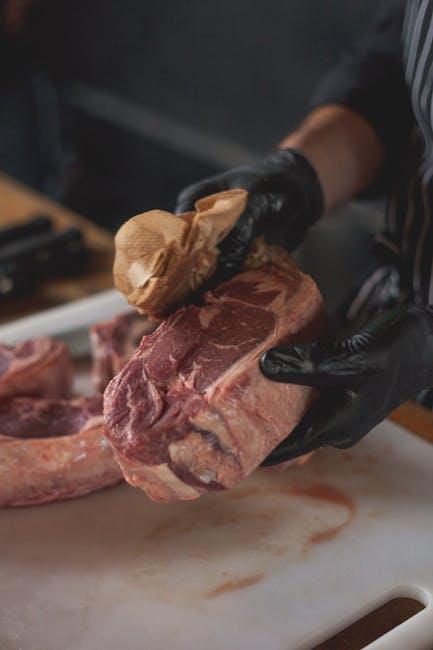
Mastering the Braise: Techniques for Tender and Juicy Short Ribs
Unlocking the secrets to perfectly braised short ribs lies in the art of layering flavors and patience. Begin by selecting well-marbled short ribs, as the fat will render down beautifully, enriching the dish. Season the meat generously with salt and pepper, ensuring every side is well-coated. A hot pan is your best friend here; sear the ribs until they develop a rich, brown crust, which forms the foundation of flavor.
Once seared, it’s time to build the braising liquid. Start with a base of aromatics: onions, garlic, and carrots sautéed in the rendered fat. Introduce a splash of red wine, allowing it to deglaze the pan, lifting all those delicious browned bits. This step not only enhances the flavor but also adds depth to the dish. Add beef broth and a bouquet garni of fresh herbs like thyme and rosemary for an earthy aroma. Submerge the ribs in this aromatic bath and let them slowly simmer until they reach the pinnacle of tenderness. Remember, low and slow is the mantra here—patience is key to achieving short ribs that are both tender and juicy.
- Tip: Ensure the liquid covers the ribs about halfway for even cooking.
- Optional: For a touch of sweetness, add a spoonful of tomato paste or a dash of balsamic vinegar.
Pairing Perfection: Complementary Side Dishes and Wine Suggestions
When it comes to creating a meal that speaks of sophistication and indulgence, pairing your beef short ribs with the right side dishes and wine can elevate your dining experience to new heights. Consider the following complementary sides that not only enhance the rich flavors of the short ribs but also balance the robustness of the red wine used in cooking:
- Garlic Mashed Potatoes: The creamy texture and subtle garlic infusion provide a perfect contrast to the hearty ribs.
- Roasted Root Vegetables: A medley of carrots, parsnips, and beets, roasted to caramelized perfection, adds a sweet and earthy dimension.
- Sautéed Greens: Spinach or kale sautéed with a touch of olive oil and lemon zest offers a fresh, slightly bitter counterpoint.
For wine enthusiasts, selecting the right wine to accompany your meal is crucial. Consider a bold, full-bodied red wine that complements the deep flavors of the beef. Options like a classic Cabernet Sauvignon or a robust Malbec not only pair beautifully with the dish but also enhance the savory notes of the meat. As you savor each bite, allow the wine to cleanse your palate, setting the stage for the next delightful mouthful.
Concluding Remarks
As you savor the last morsels of your beautifully braised beef short ribs, take a moment to reflect on the culinary journey you’ve embarked upon. The deep, velvety notes of red wine melded seamlessly with the rich, tender meat, creating a symphony of flavors that danced across your palate. Cooking is, after all, an art form—a delicate balance of technique and intuition, patience and passion. Whether you served this dish at an intimate dinner party or enjoyed it as a comforting meal on a quiet evening, let the experience inspire you to explore new flavors and techniques in your kitchen. As you hang up your apron, remember that every dish tells a story, and today, you’ve added a delicious chapter to your own culinary narrative. Bon appétit!