
 Web
Web

In the culinary world, few experiences rival the satisfaction of cutting into a perfectly cooked steak, its juices glistening under the soft glow of ambient light, promising a symphony of flavors with every bite. Yet, achieving that ideal balance of tenderness, juiciness, and flavor can often feel like an elusive art reserved for seasoned chefs. Fear not, for this guide is designed to demystify the process, transforming your kitchen into a steakhouse haven. Whether you’re a novice cook or a seasoned home chef, we’ll explore the secrets and techniques that ensure your steak is nothing short of perfection every single time. So, sharpen your knives and ready your taste buds, as we embark on a savory journey to steak mastery.
Choosing the Right Cut for Your Perfect Steak
When it comes to crafting a steak that tantalizes your taste buds, selecting the ideal cut is pivotal. Each cut offers its unique texture and flavor profile, making it essential to align your choice with your culinary desires. Here are some popular options:
- Ribeye: Known for its rich marbling, the ribeye is succulent and full of flavor. It’s perfect for those who enjoy a juicy, tender steak.
- Filet Mignon: This cut is celebrated for its tenderness. With minimal fat, it’s ideal for those who prefer a leaner steak without sacrificing tenderness.
- Sirloin: Offering a balance of flavor and tenderness, the sirloin is a versatile cut that suits a variety of cooking methods.
- New York Strip: With a firm texture and bold beefy flavor, this cut is perfect for steak lovers who appreciate a robust taste.
Consider the occasion and your personal preferences when choosing your steak cut. Whether you crave the melt-in-your-mouth tenderness of a filet mignon or the rich, hearty taste of a ribeye, the right choice will elevate your steak-cooking experience.
Mastering the Art of Seasoning and Marinating
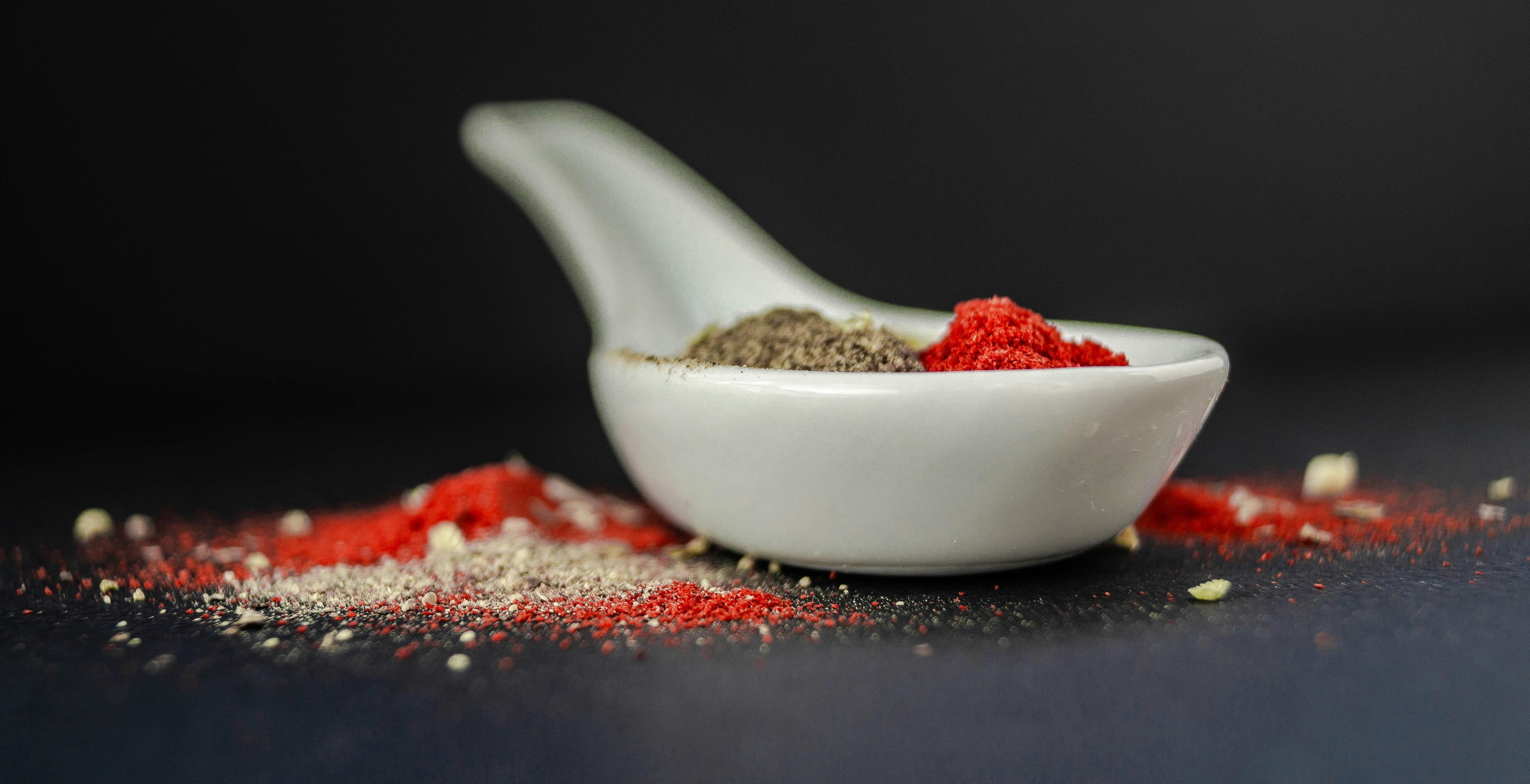
Achieving steak perfection starts with understanding the symphony of flavors that seasoning and marinating can bring to the table. A well-seasoned steak doesn’t need a myriad of ingredients. Instead, simplicity is key. Begin with a generous sprinkle of coarse salt and freshly ground black pepper. These two stalwarts enhance the meat’s natural flavors, creating a savory crust as it sears. For those seeking a bolder taste, consider a rub with smoked paprika or garlic powder.
Marinating, on the other hand, is an art of patience and precision. A basic marinade might include a balance of acidic elements such as lemon juice or balsamic vinegar, oil to help the flavors penetrate, and herbs like rosemary or thyme for an aromatic infusion. Keep these tips in mind:
- Timing: Marinate for at least 30 minutes, but no longer than 24 hours.
- Balance: Ensure a harmonious blend of acid and oil.
- Coverage: Fully submerge the steak to ensure even flavor absorption.
Master these techniques, and your steak will transform from a mere meal into a culinary masterpiece.
Achieving the Ideal Sear and Temperature
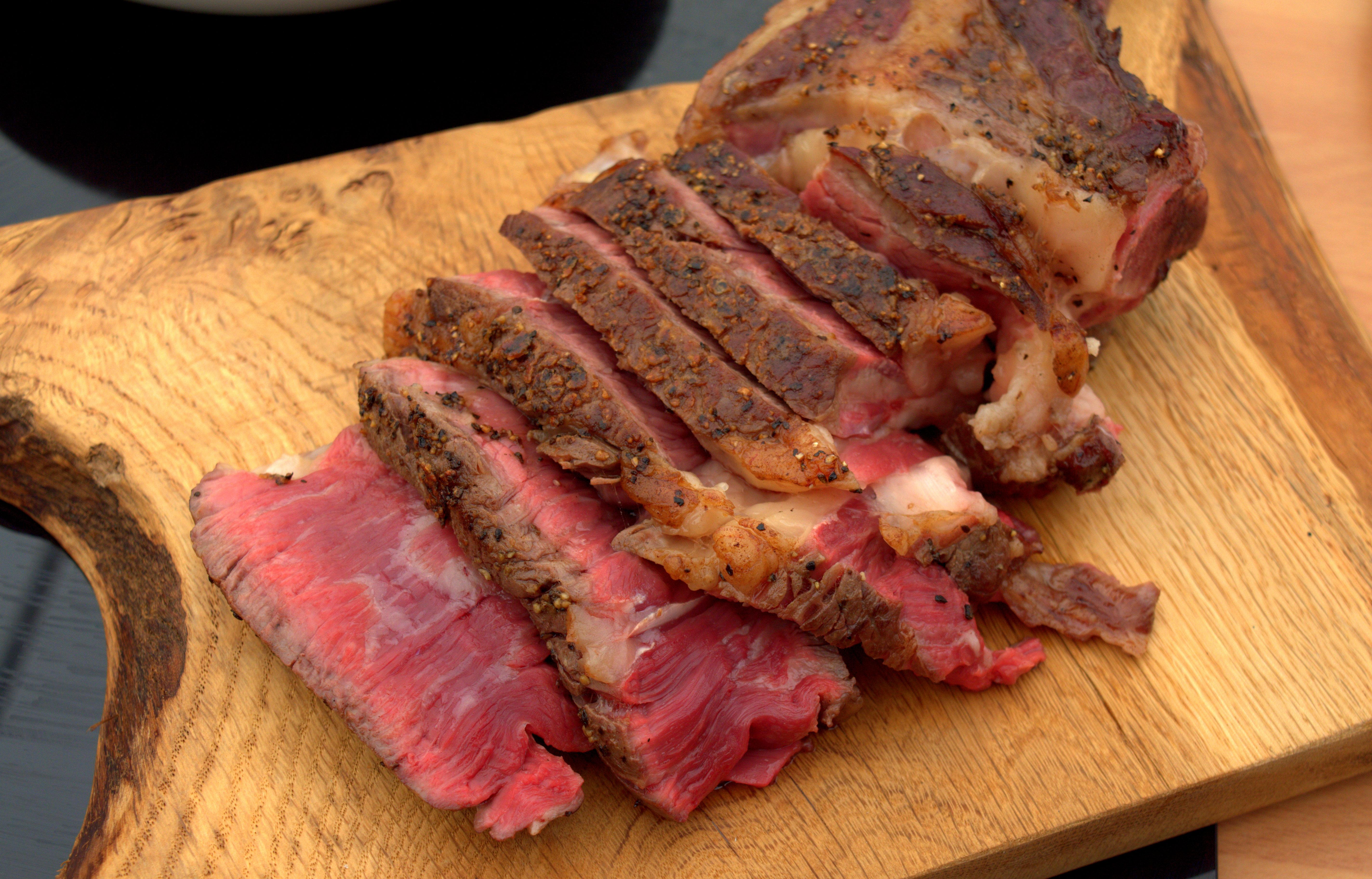
Mastering the art of steak involves understanding the delicate balance between achieving that mouthwatering sear and maintaining the perfect internal temperature. A proper sear is not just about aesthetics; it creates a flavor-packed crust that elevates the taste profile of your steak. To achieve this, start by ensuring your steak is at room temperature before cooking. Pat it dry with paper towels to remove excess moisture, as moisture is the enemy of a good sear. Use a cast-iron skillet or a heavy-bottomed pan, preheated until it’s smoking hot, and opt for a high smoke point oil like avocado or grapeseed. The steak should sizzle aggressively upon contact, indicating the Maillard reaction is underway, creating that desired caramelized exterior.
As you strive for that perfect sear, temperature control is equally crucial. After searing, reduce the heat slightly and continue cooking until the steak reaches your preferred level of doneness. Use an instant-read thermometer to check the internal temperature:
- Rare: 120-130°F (49-54°C)
- Medium Rare: 130-135°F (54-57°C)
- Medium: 135-145°F (57-63°C)
- Medium Well: 145-155°F (63-68°C)
- Well Done: 155°F+ (68°C+)
Allow the steak to rest for a few minutes after cooking to let the juices redistribute, ensuring every bite is tender and flavorful. By mastering the sear and temperature, you’ll consistently cook a steak that rivals your favorite steakhouse.
Resting and Serving: The Final Touch
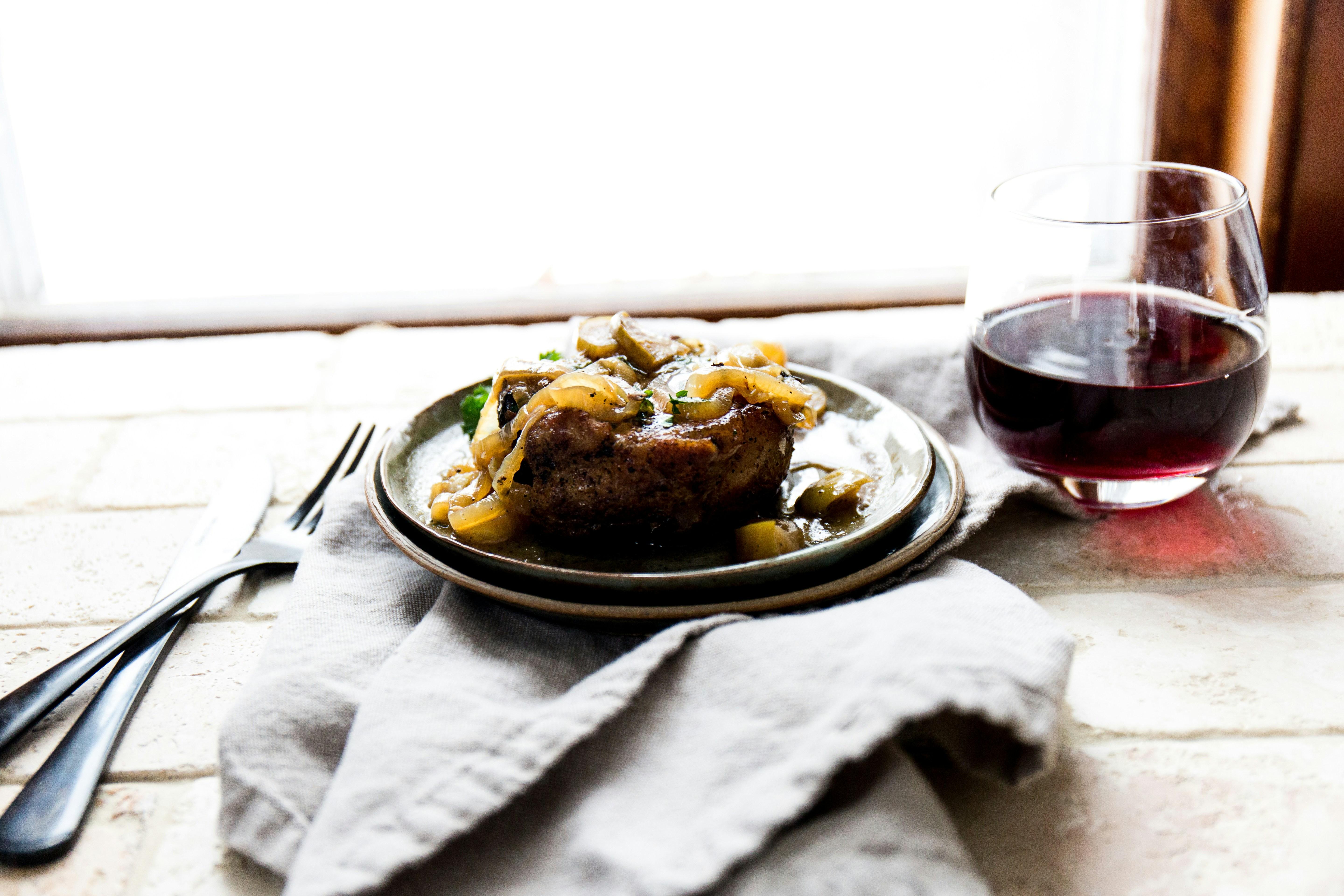
After achieving the perfect sear and the ideal level of doneness, it’s crucial to allow your steak to rest. This step is often overlooked, but it makes all the difference. Resting the steak allows the juices to redistribute, ensuring each bite is as succulent as the last. Place your steak on a warm plate and cover it loosely with aluminum foil. Let it rest for about 5 to 10 minutes. This brief pause before serving is the key to retaining those flavorful juices.
When it comes to serving, presentation is just as important as taste. Consider these finishing touches to elevate your steak experience:
- Slice Against the Grain: Cutting your steak against the grain makes it more tender and easier to chew.
- Add a Dollop of Herb Butter: Enhance the flavors with a pat of homemade herb butter melting over the top.
- Garnish with Fresh Herbs: A sprinkle of fresh parsley or thyme adds a pop of color and a hint of freshness.
- Pair with a Side: Complement your steak with a simple salad or roasted vegetables to round out the meal.
By giving your steak the time it needs to rest and focusing on these serving details, you ensure a dining experience that satisfies both the eyes and the palate.
Final Thoughts
As you embark on your culinary journey to mastering the art of cooking the perfect steak, remember that each sizzle and sear is a step toward a flavorful triumph. Whether you prefer a tender filet mignon or a robust ribeye, the techniques you’ve learned will guide you to steakhouse-quality results right in your own kitchen. With a bit of patience, the right ingredients, and the confidence to experiment, you can transform every steak dinner into a memorable feast. So, don your apron, heat up that skillet, and let the enticing aroma of a perfectly cooked steak fill your home. Here’s to delicious endeavors and culinary success—every time you cook. Bon appétit!