
 Web
Web
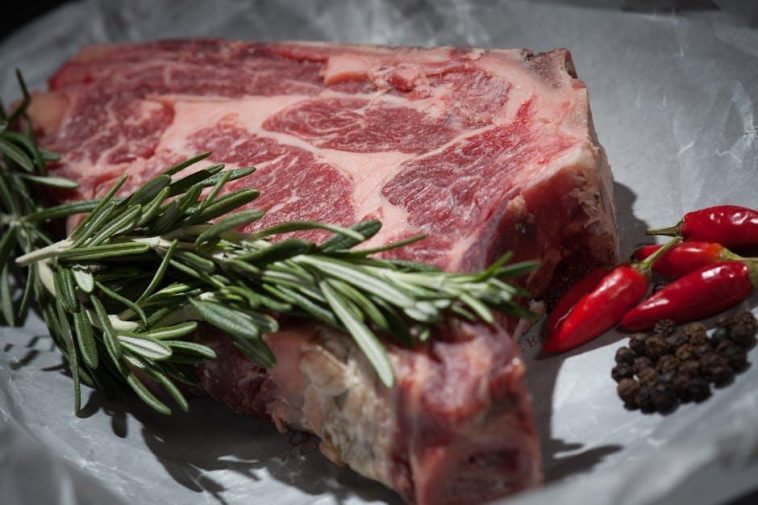
In the tapestry of human history, few foods have woven themselves as intricately into our diets and cultures as red meat. From the sizzling sounds of a steak on the grill to the rich aroma of a simmering stew, red meat has long been a symbol of nourishment and indulgence. Yet, as the culinary world evolves and our understanding of nutrition deepens, a question emerges from the smoke of our barbecues and the warmth of our kitchens: should we be eating less red meat for the sake of our health? This inquiry not only challenges our palates but also invites us to explore the delicate balance between tradition and modern science. As we delve into the complexities of this dietary debate, we aim to uncover the truths that lie at the intersection of taste, health, and sustainability, allowing readers to make informed decisions about what graces their plates.
The Health Impact of Red Meat Consumption
Red meat has long been a staple in many diets around the world, offering a rich source of protein and essential nutrients such as iron and vitamin B12. However, its consumption has also been linked to various health concerns. Studies have suggested that excessive intake of red meat, particularly processed varieties, may increase the risk of certain diseases. Here are some potential health impacts associated with frequent consumption:
- Heart Disease: Saturated fats and cholesterol found in red meat may contribute to cardiovascular issues.
- Cancer Risk: Processed meats have been classified as carcinogenic, with red meat itself possibly increasing the risk of colorectal cancer.
- Inflammation: High consumption could lead to increased inflammation, impacting overall health.
Balancing red meat intake with other protein sources such as fish, poultry, and plant-based options might help mitigate these risks. Moderation and mindful choices can be key to enjoying the benefits of red meat while minimizing potential health drawbacks.
Nutritional Benefits and Drawbacks of Red Meat
Red meat, encompassing beef, pork, and lamb, is a robust source of essential nutrients. It is notably rich in high-quality protein, which is crucial for muscle growth and repair. Additionally, red meat is an excellent source of vital vitamins and minerals, including:
- Iron: Especially in its heme form, which is more easily absorbed by the body compared to non-heme iron found in plant-based foods.
- Zinc: Plays a significant role in immune function and DNA synthesis.
- Vitamin B12: Essential for nerve function and the production of red blood cells.
However, the consumption of red meat also presents some potential drawbacks. Regular intake, particularly of processed varieties, has been linked to increased risks of certain health conditions. Saturated fats present in red meat can contribute to higher cholesterol levels, potentially leading to cardiovascular issues. Moreover, some studies suggest a correlation between high red meat consumption and an elevated risk of type 2 diabetes and certain cancers. Thus, while red meat can be a valuable part of a balanced diet, moderation and mindful choices are key to maximizing benefits while minimizing potential health risks.

Exploring Plant-Based Alternatives
As we delve into the realm of plant-based alternatives, the possibilities seem endless and exciting. The market is burgeoning with innovative products that aim to replicate the taste and texture of red meat without the associated health concerns. From jackfruit tacos that mimic pulled pork to mushroom-based burgers that offer a savory bite, these alternatives not only cater to vegetarians and vegans but also to those seeking to diversify their diet. Embracing plant-based options doesn’t mean sacrificing flavor or satisfaction; rather, it’s about exploring a world rich in culinary diversity and potential health benefits.
Consider incorporating the following plant-based substitutes into your meals:
- Lentils: Rich in protein and fiber, they can replace ground beef in dishes like Bolognese sauce or shepherd’s pie.
- Chickpeas: Versatile and hearty, perfect for curries, salads, or even roasted as a snack.
- Tofu and Tempeh: These soy-based products absorb flavors beautifully, making them ideal for stir-fries or marinated dishes.
- Seitan: Known for its meat-like texture, it’s a favorite for creating vegan steaks and sandwiches.
Exploring these options not only contributes to personal well-being but also supports a more sustainable food system. Whether you’re a curious carnivore or a seasoned plant-eater, the journey into plant-based eating promises a delightful adventure for your taste buds.

Guidelines for a Balanced Diet
When considering a nutritionally sound eating plan, balance is key. A well-rounded diet should include a variety of food groups, each contributing essential nutrients that our bodies need. While red meat is a rich source of protein and vital minerals like iron and zinc, moderation is crucial to maintaining overall health. Incorporating a diverse range of proteins can help achieve this balance. Consider the following:
- Poultry and Fish: These are excellent alternatives, offering lean protein and beneficial omega-3 fatty acids.
- Legumes and Nuts: These plant-based proteins are not only rich in fiber but also heart-healthy.
- Whole Grains: Including quinoa, brown rice, and oats, which provide essential carbohydrates and additional protein.
Adopting a varied diet doesn’t mean eliminating red meat entirely. Instead, it’s about making informed choices and ensuring that red meat consumption fits within a broader, balanced nutritional framework.
To Wrap It Up
As we conclude our exploration of the question, “Should we eat less red meat for better health?”, it becomes evident that the answer is as varied as the individuals pondering it. Like a tapestry woven from countless threads, our dietary choices are influenced by personal health goals, ethical considerations, cultural traditions, and evolving scientific insights. While some may choose to reduce their red meat consumption in pursuit of a healthier lifestyle, others may find balance in moderation or alternative dietary strategies. Ultimately, the journey toward better health is deeply personal, inviting each of us to listen to our bodies, seek knowledge, and make informed decisions. As we navigate this complex landscape, let us remain open to new findings and respectful of diverse perspectives, crafting a future where well-being is both a personal and collective endeavor.