
 Web
Web

In the vibrant tapestry of global cuisine, few dishes captivate the senses quite like the aromatic, richly spiced vegetarian curries of India. These culinary masterpieces, steeped in centuries of tradition, offer a tantalizing journey through a world where flavors dance and ingredients tell stories of heritage and heart. As you embark on this culinary adventure, prepare to explore the art of crafting authentic Indian-style vegetarian curries, where each spice is a brushstroke on the canvas of your taste buds, and every vegetable plays a vital role in a symphony of taste and texture. Whether you’re a seasoned cook or a curious newcomer, this guide will unlock the secrets to creating dishes that not only nourish the body but also warm the soul, inviting you to savor the true essence of Indian cuisine.
Exploring Essential Spices and Ingredients for Indian Curries
To craft the vibrant flavors of Indian curries, one must delve into the world of essential spices and ingredients that bring these dishes to life. A cornerstone of Indian cooking is the harmonious blend of spices known as masalas. These aromatic mixtures typically include cumin, coriander, turmeric, and mustard seeds, each adding its unique note to the symphony of flavors. Garam masala, a warming blend of spices, is often added at the end of cooking to impart a fragrant finish.
Beyond spices, several ingredients are indispensable in achieving authentic taste and texture. Onions, garlic, and ginger form the aromatic base for most curries, sautéed until golden to release their flavors. Tomatoes add a tangy depth, while coconut milk or yogurt can be used for creaminess. For a touch of heat, incorporate green chilies or red chili powder. Fresh herbs like cilantro and curry leaves provide a burst of freshness, elevating the dish to new heights. To create the perfect vegetarian curry, consider the following ingredients:
- Lentils or chickpeas for hearty texture
- Paneer for a rich, creamy addition
- Spinach or peas for vibrant color and nutrition
- Cauliflower or potatoes for substance
Embrace these elements to create a tapestry of flavors that are both authentic and deeply satisfying.
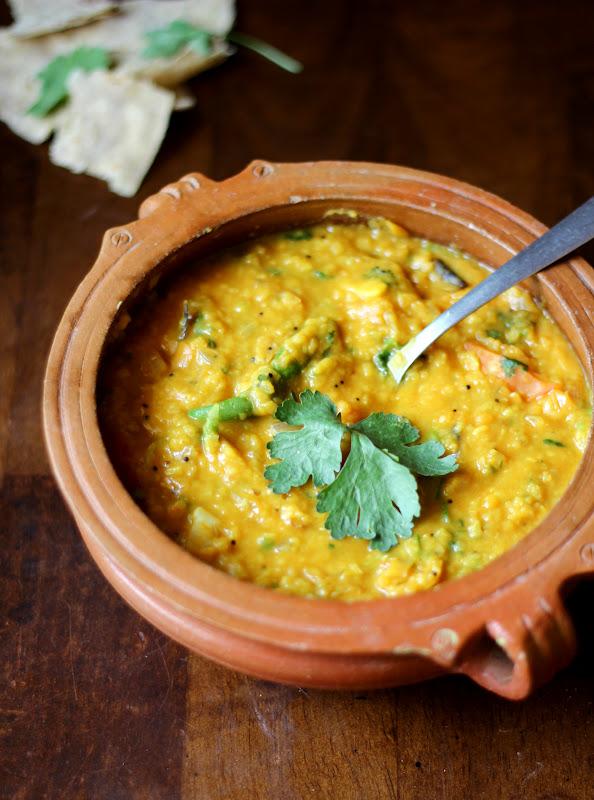
Mastering Traditional Cooking Techniques and Tools
Delving into the world of Indian-style vegetarian curries is an aromatic journey that relies heavily on mastering traditional cooking techniques and using the right tools. Tempering, known as “tadka” or “chaunk,” is a fundamental method where spices like mustard seeds, cumin, and coriander are sizzled in hot oil to release their essential flavors, creating a robust base for your curry. The use of a heavy-bottomed pan, such as a cast-iron skillet or a traditional Indian kadai, ensures even heat distribution, preventing the spices from burning and allowing the flavors to meld perfectly.
- Grinding spices: Freshly ground spices are the soul of an authentic curry. Invest in a mortar and pestle or a spice grinder to crush whole spices into a fine powder.
- Slow cooking: Patience is key. Allow your curry to simmer slowly to let the ingredients marry and deepen in flavor.
- Layering flavors: Start with a base of onions, garlic, and ginger, followed by tomatoes and spices, each cooked to the right degree before the next is added.
These traditional techniques, combined with the right tools, are your gateway to crafting vegetarian curries that are as authentic as they are delicious, bringing the vibrant essence of Indian cuisine to your kitchen.
Balancing Flavors: The Art of Creating Depth and Harmony
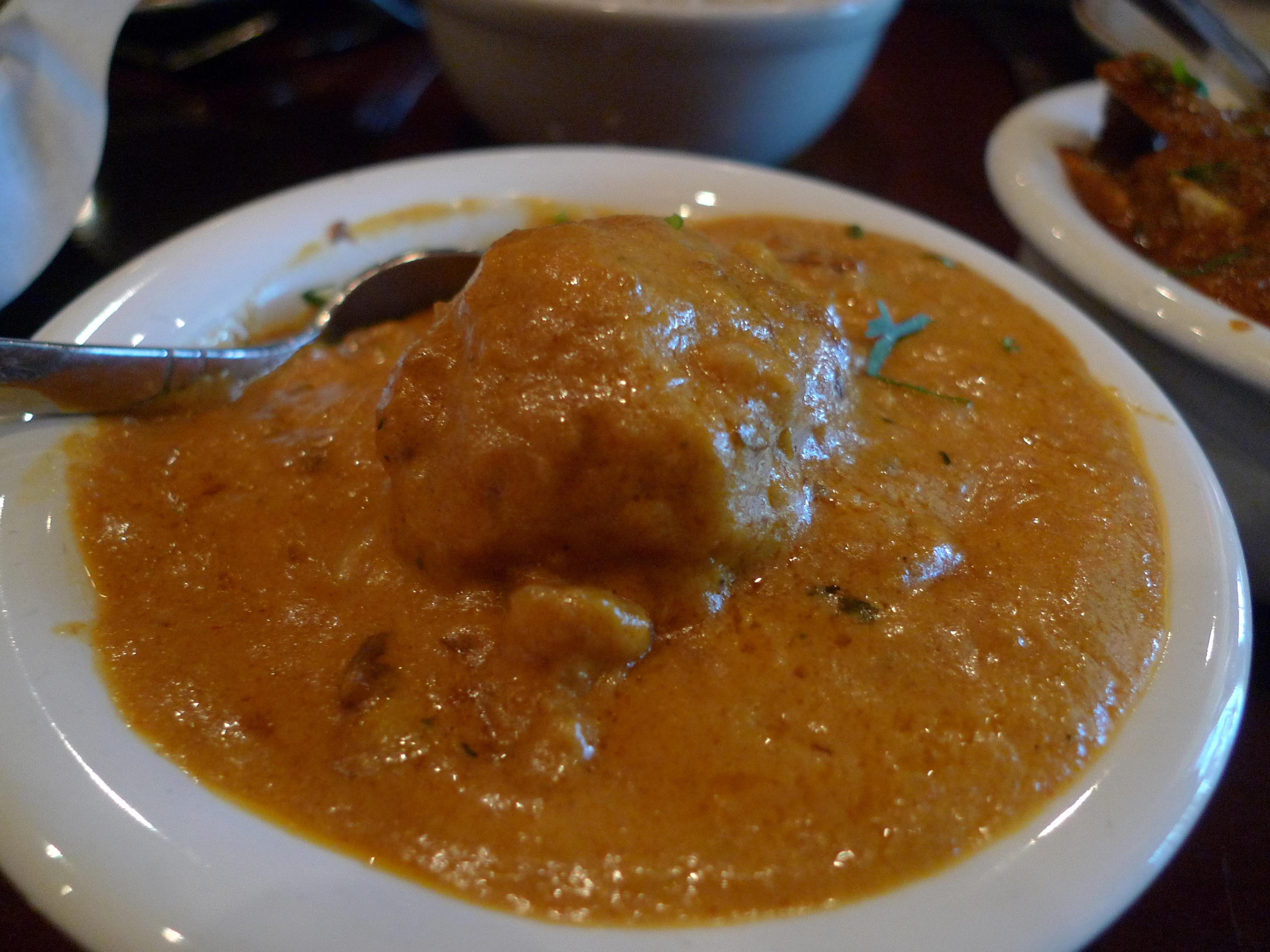
Creating a truly harmonious Indian-style vegetarian curry is an art form that requires a delicate balance of flavors. The symphony of spices, herbs, and ingredients must come together to create a dish that is not only flavorful but also deeply satisfying. Begin by focusing on the primary elements: the base, spices, and vegetables. A rich base of onions, tomatoes, and garlic is often enhanced with ginger for warmth. This foundation is crucial for building depth.
Incorporate a variety of spices to layer complexity. Consider using:
- Cumin for earthiness
- Coriander for citrus notes
- Turmeric for its vibrant color and subtle bitterness
- Garam Masala to add a fragrant finish
Don’t forget the balance of heat; green chilies or red chili powder can provide the desired kick. select vegetables that will absorb these flavors while adding their own unique textures. Whether it’s the creaminess of potatoes or the sweetness of carrots, each component plays a role in the final melody. Achieving the perfect balance means allowing each ingredient to shine without overpowering the others, resulting in a dish that resonates with depth and harmony.

Pairing Curries with Perfect Sides and Complements
Creating a delightful Indian curry experience isn’t just about the curry itself; it involves crafting a harmonious balance with sides and complements that elevate each bite. While a rich, spicy curry is often the star, the supporting cast plays a crucial role in bringing out the flavors. Here are some perfect pairings to consider:
- Fluffy Basmati Rice: The long grains of basmati rice, with their delicate aroma, provide a neutral base that absorbs the flavors of the curry without overwhelming it.
- Freshly Baked Naan: This soft, buttery bread is perfect for scooping up the curry, ensuring you enjoy every last drop of the sauce.
- Crisp Papadums: These thin, crispy delights add a contrasting texture and can be served with a tangy mint chutney or a sweet mango pickle.
- Cooling Raita: A yogurt-based side, often mixed with cucumber or mint, helps balance the heat of the curry with its refreshing, creamy texture.
These sides not only complement the curries but also add layers of taste and texture, transforming your meal into a well-rounded culinary journey. Whether you’re serving a fiery vindaloo or a creamy paneer butter masala, the right accompaniments will ensure each mouthful is a celebration of flavors.
Insights and Conclusions
As we conclude our flavorful journey through the art of crafting authentic Indian-style vegetarian curries, we find ourselves enriched not just by the recipes, but by the stories and traditions that accompany each dish. The vibrant spices, the symphony of textures, and the harmonious balance of flavors serve as a testament to the culinary heritage that has been passed down through generations. Whether you are a seasoned cook or a curious novice, embracing these recipes invites you into a world where cooking becomes an exploration of culture and creativity. So, as you embark on your own curry-making adventures, may your kitchen be filled with the warmth of spices, the joy of discovery, and the satisfaction of sharing a meal that is both a feast for the senses and a celebration of vegetarian delight. Bon appétit!