
 Web
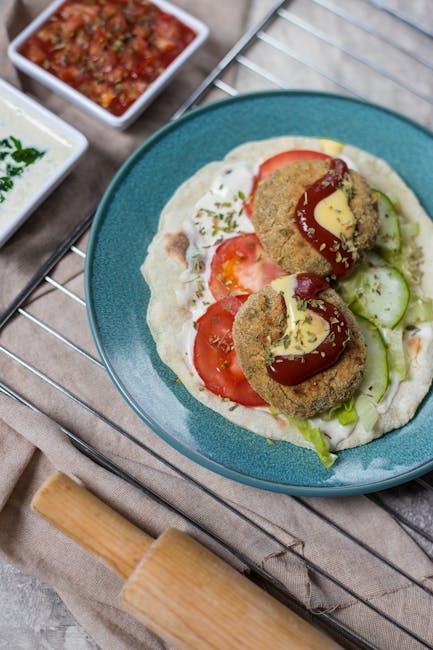
In a world where culinary adventures often begin with a single bite, few dishes transport us to bustling Middle Eastern markets quite like the humble falafel. These golden, crispy spheres of chickpea delight have captured the hearts and taste buds of food lovers across the globe. Yet, for those who yearn to recreate the authentic flavors of this beloved street food in their own kitchens, the journey can be as enchanting as the destination. Welcome to a world of homemade falafel, where tradition meets creativity, and where each recipe tells a story of heritage, spice, and the simple joy of sharing a meal. Whether you’re a seasoned falafel aficionado or a curious cook ready to embark on a new culinary quest, this guide will offer you a passport to flavor with recipes that honor the timeless essence of this Middle Eastern staple while inviting you to add your own personal twist.
Exploring the Roots of Falafel: A Journey Through Authentic Ingredients
Embarking on a culinary journey to uncover the origins of falafel takes us through a tapestry of flavors, each ingredient telling its own story. At the heart of this beloved dish are the humble chickpeas or fava beans, which serve as the primary base. These legumes are soaked overnight, creating a rich foundation for the falafel mixture. Garlic and onions add a robust depth, while a generous sprinkle of cumin and coriander infuse the patties with a warm, earthy aroma.
- Fresh herbs: Parsley and cilantro are often blended in, providing a vibrant green hue and fresh, aromatic notes.
- Spices: The addition of cayenne or black pepper can give a subtle kick, balancing the flavors beautifully.
- Binding agents: Baking powder or flour is commonly used to achieve the perfect texture.
Each ingredient, from the zesty lemon juice to the creamy tahini sauce drizzled on top, contributes to an authentic experience. Whether you choose to fry or bake, the result is a crispy exterior with a soft, flavorful interior that transports you to the bustling markets of the Middle East.
Mastering the Art of Texture: Tips for Perfectly Crispy Falafel
Achieving the ideal texture in falafel is all about balance and technique. For that perfectly crispy exterior with a tender, flavorful inside, start by using dried chickpeas or fava beans instead of canned ones. Soak them overnight to ensure they are soft enough to blend smoothly, but still provide a bit of bite.
- Pulse, don’t puree: When processing the soaked legumes, aim for a coarse mixture. Over-blending can lead to a dense, doughy texture.
- Chill the mixture: Allow the falafel mixture to rest in the refrigerator for at least 30 minutes before shaping. This helps the flavors meld and makes the mixture easier to handle.
- Consider baking soda: Adding a small amount can help lighten the mixture, making the falafel fluffier.
- Oil temperature matters: Ensure your oil is at the right temperature (around 350°F or 175°C) to achieve a golden, crisp crust without absorbing excess oil.
Spice Blends and Herb Combinations: Elevating Flavor Profiles
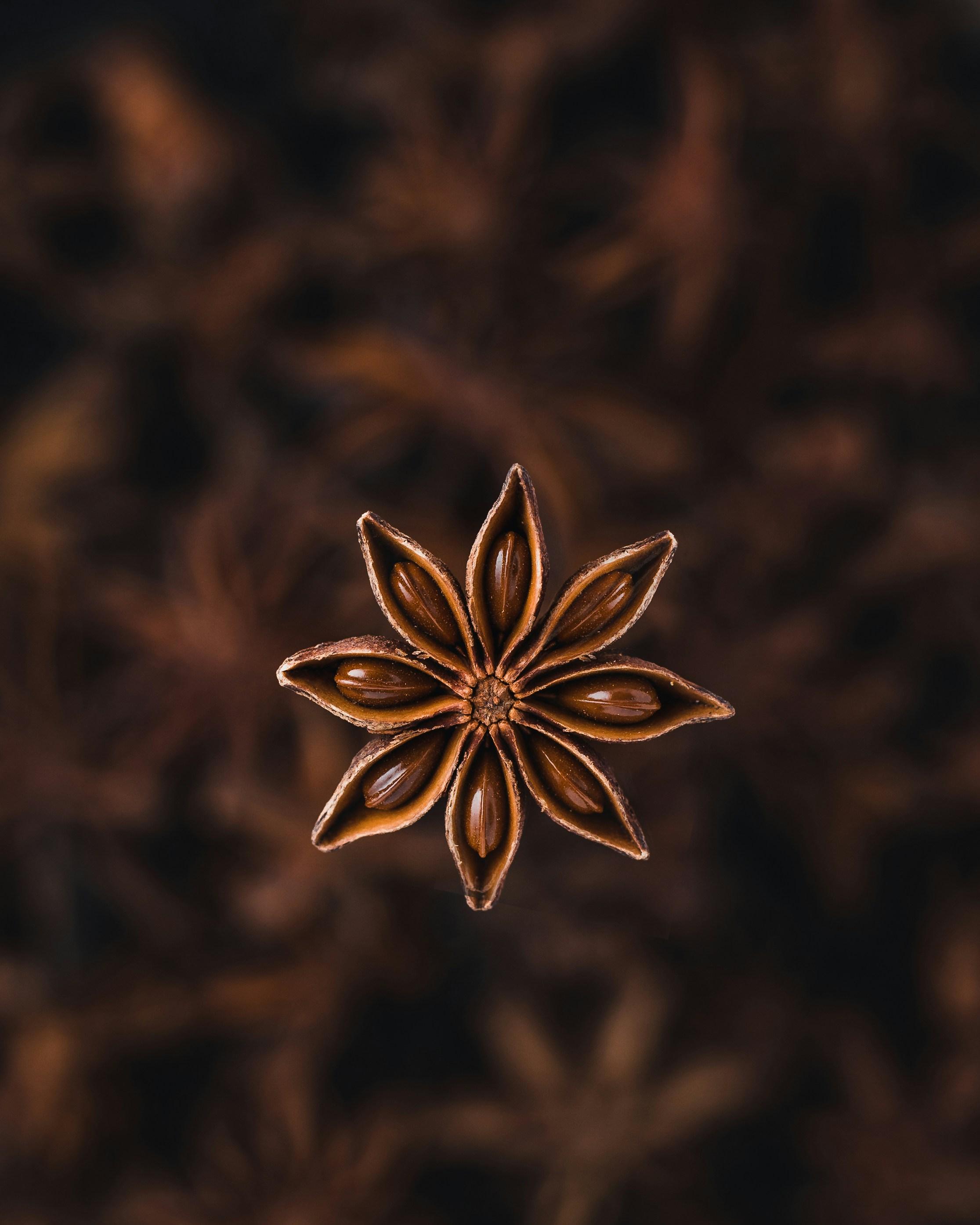
Creating a delectable homemade falafel involves more than just chickpeas and frying oil; it’s about mastering the art of spice blends and herb combinations that bring out authentic Middle Eastern flavors. A well-balanced mixture can transform your falafel into a culinary masterpiece, full of vibrant tastes and aromas. Cumin, with its earthy warmth, and coriander, offering citrusy undertones, form the backbone of a traditional falafel seasoning. Enhancing these with garlic powder and onion powder can add depth, while a pinch of cayenne pepper introduces a subtle heat that awakens the palate.
For an aromatic twist, consider incorporating fresh herbs like parsley and cilantro into the mix. These herbs not only add a burst of color but also a fresh, green flavor that complements the spices. If you’re looking to experiment further, try adding a hint of dried mint or sumac for a unique zesty kick. The following combinations can help you craft your own signature falafel blend:
- Classic Blend: Cumin, coriander, garlic powder, onion powder, cayenne pepper
- Herbaceous Twist: Parsley, cilantro, cumin, coriander, dried mint
- Zesty Surprise: Sumac, cumin, coriander, garlic powder, cayenne pepper
These spice and herb combinations are not just about adding flavor; they are about capturing the essence of a dish that has been loved for generations. Experiment with these blends to find the perfect balance that elevates your falafel to new heights.

Creative Serving Suggestions: Pairing Falafel with Complementary Dishes
Falafel, with its crispy exterior and flavorful interior, is a versatile dish that can be elevated with the right accompaniments. To bring out the best in your homemade falafel, consider pairing it with dishes that enhance its authentic flavors. One delightful option is to serve falafel alongside a refreshing tabbouleh salad. The vibrant mix of parsley, mint, tomatoes, and bulgur in tabbouleh complements the earthy taste of falafel, adding a burst of freshness to every bite.
Another exciting combination is a mezze platter, which allows for a variety of textures and flavors. Include items like creamy hummus, tangy tzatziki, and a selection of olives. For a touch of sweetness, add a few slices of roasted red pepper. This assortment not only highlights the richness of falafel but also offers an interactive dining experience. For those looking for a more substantial meal, serve falafel with warm pita bread and a side of grilled vegetables, such as zucchini and eggplant, drizzled with olive oil and sprinkled with za’atar.
Concluding Remarks
As we conclude our flavorful journey into the world of homemade falafel, we hope you’ve found inspiration in these authentic recipes that celebrate the rich culinary heritage of the Middle East. Whether you’re a seasoned chef or a kitchen novice, these recipes invite you to explore the vibrant textures and aromas that make falafel a beloved dish worldwide. As you gather your ingredients and prepare your next meal, remember that cooking is not just about following a recipe—it’s about infusing each dish with your personal touch and savoring the joy of creation. So, roll up your sleeves, embrace the art of falafel-making, and let your kitchen become a canvas for delicious innovation. Bon appétit!