
 Web
Web

In a world where culinary art meets mindfulness, the Buddha bowl emerges as a beacon of simplicity and nourishment. This vibrant dish, a harmonious blend of fresh vegetables, grains, and proteins, not only satisfies the palate but also nourishes the soul. The essence of a Buddha bowl lies in its versatility and balance, inviting creativity while encouraging a mindful approach to eating. Whether you’re a seasoned vegetarian or a curious newcomer to plant-based cuisine, this simple vegetarian Buddha bowl recipe offers a delightful journey into the world of wholesome flavors and vibrant colors. Join us as we explore how to create this culinary masterpiece, celebrating the beauty of simplicity and the joy of nourishing both body and spirit.
Colorful Ingredients for a Vibrant Bowl
To craft a Buddha bowl that’s as visually stunning as it is nourishing, focus on a palette of colorful ingredients. A harmonious blend of hues not only enhances the bowl’s aesthetic appeal but also ensures a range of nutrients. Consider incorporating a variety of vibrant vegetables such as:
- Roasted sweet potatoes for a pop of orange and a touch of sweetness.
- Purple cabbage, thinly sliced, adding a crunch and a burst of color.
- Cherry tomatoes, halved, to introduce bright reds and a juicy texture.
- Baby spinach or kale for a rich green foundation.
To elevate the bowl further, sprinkle on some edible flowers or a handful of pomegranate seeds for an unexpected splash of color and flavor. A drizzle of creamy avocado or a sprinkle of crushed nuts can add depth and richness, ensuring every bite is as delightful as it is nourishing.

Balancing Flavors with Perfect Dressings
In the art of crafting a delicious Buddha bowl, the magic often lies in the dressing that ties together the vibrant array of ingredients. A perfect dressing not only enhances the natural flavors but also adds a touch of harmony to each bite. Here are some tips for achieving that exquisite balance:
- Acidity and Sweetness: A splash of lemon juice or a dash of balsamic vinegar can brighten up the bowl, while a hint of maple syrup or agave can soften the tang, creating a delightful contrast.
- Richness and Lightness: Incorporate creamy elements like tahini or Greek yogurt to lend a rich texture, balanced by the lightness of fresh herbs like cilantro or mint.
- Spice and Subtlety: Add a pinch of chili flakes or a drizzle of sriracha for a spicy kick, tempered by the subtle sweetness of roasted vegetables or fresh greens.
When crafting your dressing, consider the individual components of your bowl. A nutty sesame dressing complements earthy grains, while a zesty lime-cilantro blend can elevate the flavors of fresh, crunchy vegetables. The key is to let the dressing be a gentle conductor, orchestrating the symphony of tastes within your Buddha bowl.
Essential Cooking Tips for Crisp Vegetables
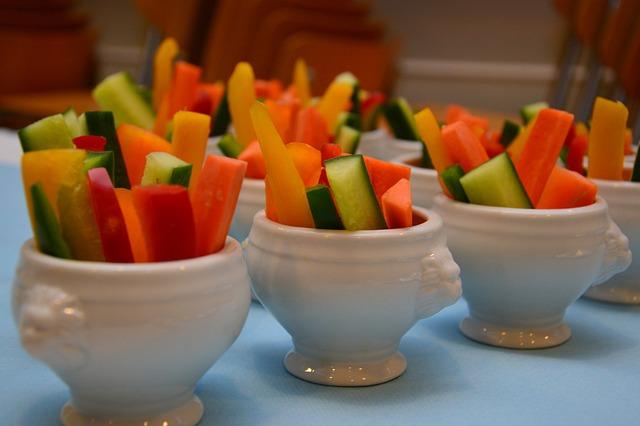
To achieve perfectly crisp vegetables in your Buddha bowl, it’s essential to focus on the cooking method and preparation. Start by choosing fresh, vibrant vegetables, as their natural moisture and texture contribute significantly to the final result. Blanching is a great technique to maintain color and crunch. Quickly boil your vegetables for a few minutes, then plunge them into ice water to stop the cooking process. This helps lock in nutrients and ensures a delightful texture.
- Pat dry your veggies after washing to avoid steaming them when cooking.
- Use a hot pan and a little oil for sautéing; this will help create a caramelized exterior.
- Roast at high temperatures to bring out natural sweetness and achieve a crispy finish.
- Season generously with salt and pepper to enhance flavors, but add herbs towards the end to prevent burning.
Creative Toppings to Elevate Your Buddha Bowl
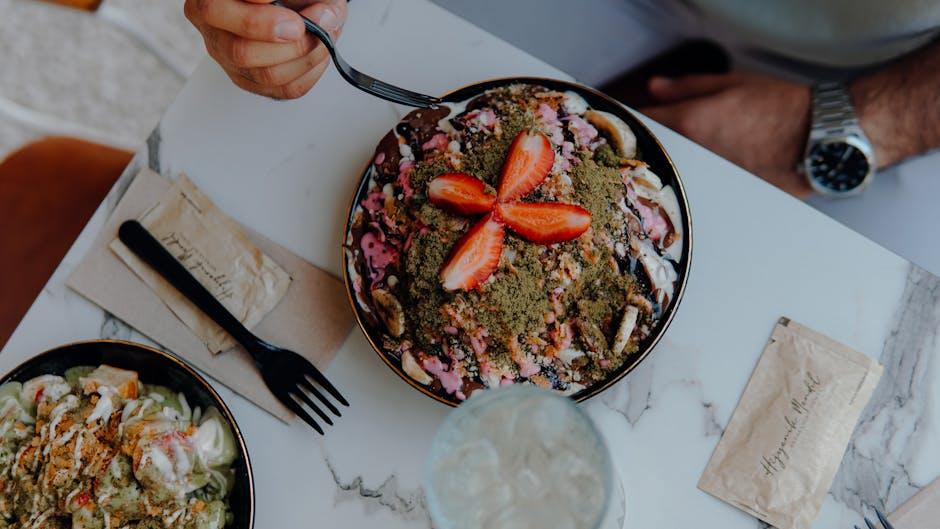
Transform your Buddha bowl from simple to sensational with an array of inventive toppings that add both flavor and texture. Roasted chickpeas are a crunchy delight, offering a nutty essence and a satisfying bite. Drizzle on some tahini or cashew cream for a silky finish that brings a touch of indulgence to each forkful. For those who crave a hint of sweetness, consider sprinkling a handful of pomegranate seeds or a few slices of fresh mango; their vibrant colors and juicy bursts complement the savory elements beautifully.
To add a zesty punch, incorporate a sprinkle of pickled red onions or a dash of kimchi; these fermented favorites not only provide a tangy twist but also boost the bowl’s probiotic benefits. Toasted sesame seeds or hemp hearts can be scattered for a subtle crunch and a dose of healthy fats. Don’t forget the power of fresh herbs—cilantro, mint, or basil can elevate the bowl with their aromatic freshness, creating a harmonious blend of flavors that dance on the palate.
Key Takeaways
As we draw the curtain on our exploration of the simple vegetarian Buddha bowl, we invite you to embark on your own culinary journey. This vibrant medley of flavors and textures serves as a testament to the beauty of simplicity and the art of nourishing both body and soul. Whether you’re a seasoned plant-based enthusiast or just beginning to dip your toes into vegetarian cuisine, this dish offers a canvas for creativity and mindfulness. So, gather your ingredients, embrace the rhythm of chopping and tossing, and let each bowl you create be a celebration of wholesome goodness. Here’s to a delicious, balanced, and harmonious culinary adventure—one bowl at a time.