
 Web
Web

In the bustling culinary landscape of Toronto, where diverse flavors and cultures converge, dining out is a cherished experience for many. Yet, for a growing number of Torontonians, navigating the city’s vibrant restaurant scene comes with a side of caution. Food allergies, once a rare concern, are now a significant consideration for diners and restaurateurs alike. As more individuals seek out allergy-friendly options, a pressing question arises: Should Toronto restaurants broaden their menus to accommodate these dietary needs? This article delves into the evolving expectations of diners, the challenges faced by restaurateurs, and the potential impact of offering more inclusive dining experiences in Canada’s largest city. Whether you’re a foodie, a chef, or someone with dietary restrictions, join us as we explore the balance between culinary creativity and conscientious catering.
Understanding the Growing Demand for Allergy-Friendly Dining
As more individuals become aware of their dietary needs and food sensitivities, the demand for allergy-friendly dining is on the rise. This trend is driven by an increasing number of people who are either diagnosed with food allergies or are choosing to follow specific dietary restrictions. Diners are looking for restaurants that can accommodate their needs without compromising on taste or quality. In Toronto, a city known for its diverse culinary scene, this demand presents both a challenge and an opportunity for restaurateurs.
- Health and Safety: Ensuring a safe dining experience for all patrons by preventing cross-contamination.
- Inclusivity: Catering to a broader audience, including those with gluten, dairy, or nut allergies.
- Innovation: Encouraging chefs to experiment with alternative ingredients and create unique, flavorful dishes.
- Reputation: Building a brand image that values customer well-being and dietary inclusivity.
By embracing these changes, Toronto restaurants can not only meet the expectations of their customers but also set themselves apart in a competitive market. Addressing the need for allergy-friendly options is not just about offering a separate menu; it’s about fostering an environment where every diner feels welcome and cared for.
Exploring the Challenges Faced by Restaurants in Adapting Menus
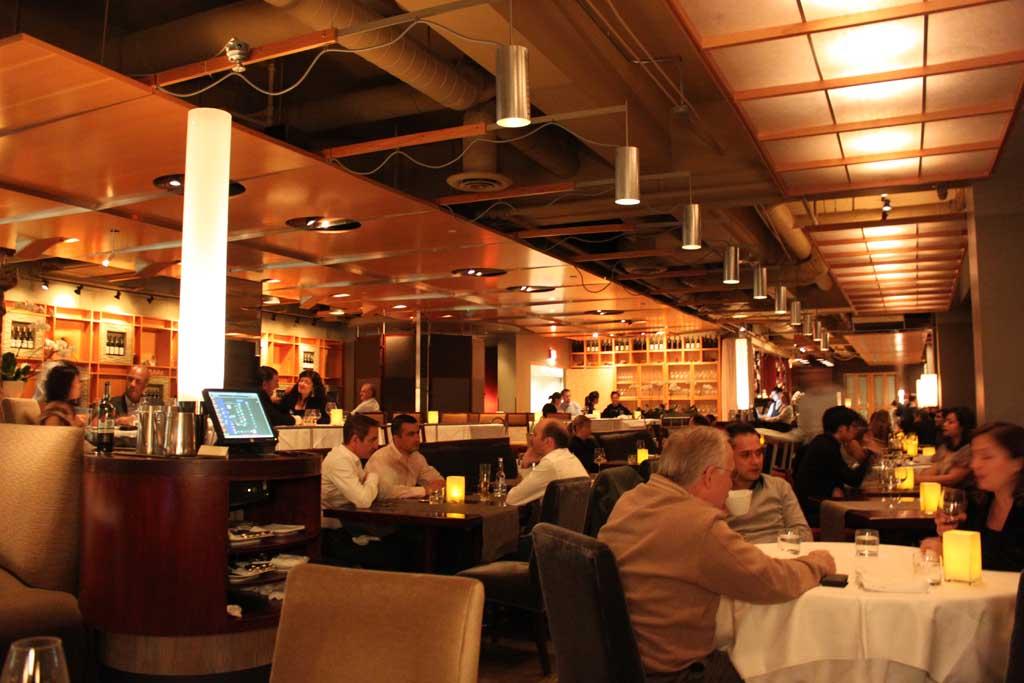
As the culinary landscape continues to evolve, restaurants in Toronto face a myriad of challenges in modifying their menus to accommodate the growing demand for allergy-friendly options. The task is far from simple, as chefs and restaurateurs must balance creativity with caution, ensuring that each dish is both innovative and safe for those with dietary restrictions. Cross-contamination is a significant concern, requiring meticulous kitchen practices and often leading to the need for separate preparation areas or dedicated cooking utensils. Moreover, sourcing ingredients that are free from common allergens such as gluten, nuts, and dairy can be both costly and logistically challenging, further complicating the process of menu adaptation.
Despite these hurdles, the push for more inclusive dining experiences is becoming increasingly difficult to ignore. Customers are now more vocal about their dietary needs, and there is a growing expectation for transparency in ingredient sourcing and preparation methods. To meet these demands, restaurants may need to consider the following strategies:
- Training staff on allergy awareness and safe food handling practices.
- Developing clear labeling on menus to indicate allergen-free options.
- Collaborating with local suppliers to find high-quality, allergen-free ingredients.
- Incorporating technology, such as apps or digital menus, to provide detailed ingredient lists and customization options for diners.
By addressing these challenges head-on, Toronto’s restaurants have the opportunity to not only cater to a broader audience but also to set a standard for inclusivity in the hospitality industry.

Innovative Strategies for Implementing Allergen-Free Options
Incorporating allergen-free options in restaurant menus requires both creativity and strategic planning. Restaurants can start by collaborating with local nutritionists and allergen specialists to craft dishes that are not only safe but also appealing. This collaboration can lead to the creation of unique recipes that cater to a wider audience without compromising on taste or quality. Additionally, using dedicated kitchen equipment for allergen-free food preparation can prevent cross-contamination, ensuring that diners with allergies can enjoy their meals with peace of mind.
Another innovative approach is to offer a customizable menu that allows patrons to select ingredients based on their dietary needs. This can be achieved through interactive digital menus or apps where customers can filter options according to their allergies. Training staff to be knowledgeable about allergens and ensuring they communicate effectively with customers is also crucial. Lastly, partnering with local farms and suppliers who provide allergen-free ingredients can not only support the local economy but also ensure the quality and traceability of the ingredients used.

Balancing Flavor and Safety: A Guide for Toronto Eateries
In a city as diverse and vibrant as Toronto, the culinary scene thrives on its ability to cater to a wide range of tastes and dietary needs. Yet, the challenge of balancing flavor with safety becomes crucial, especially when addressing food allergies. By introducing more allergy-friendly options, restaurants can not only broaden their customer base but also foster a more inclusive dining environment. Allergy-friendly offerings do not mean sacrificing taste; rather, they present an opportunity to innovate and experiment with new ingredients and cooking techniques.
Considerations for eateries aiming to expand their menu inclusively include:
- Ingredient transparency: Clearly label menu items with potential allergens, allowing diners to make informed choices.
- Dedicated preparation areas: To avoid cross-contamination, designate specific kitchen spaces for allergen-free meals.
- Staff training: Educate team members on the importance of food safety and how to handle allergy-related inquiries effectively.
By embracing these practices, Toronto restaurants can ensure that every guest, regardless of their dietary restrictions, can enjoy the rich tapestry of flavors the city has to offer.
Closing Remarks
As Toronto continues to evolve as a culinary capital, the conversation around allergy-friendly options in its vibrant restaurant scene remains both relevant and essential. While the city prides itself on diversity and innovation, the inclusion of comprehensive allergy-conscious menus could mark a new frontier in dining. By embracing this challenge, Toronto’s restaurants have the opportunity to not only cater to a broader audience but also to set a standard for inclusivity and care in the culinary world. As we digest the complexities of this topic, one thing remains clear: the future of dining is one that welcomes everyone to the table, ensuring that no patron is left without a plate. Whether you are an adventurous foodie or someone navigating dietary restrictions, the hope is that every meal can be a celebration of flavors, free from worry and full of joy. The question is not just about what’s on the menu, but how we can collectively create a dining experience that is truly for all.