
 Web
Web

In the culinary world, few dishes evoke the comforting allure and universal appeal quite like the humble chicken tender. Crispy on the outside, juicy on the inside, these golden morsels have long been a staple on restaurant menus, delighting both young and old with their satisfying crunch and succulent flavor. Yet, despite their widespread popularity, the art of recreating restaurant-style chicken tenders at home remains an elusive mystery for many home cooks. In this article, we unravel the secrets behind these tantalizing treats, exploring the techniques, ingredients, and subtle nuances that elevate a simple chicken tender into a restaurant-quality masterpiece. Whether you’re a seasoned chef or a curious kitchen novice, prepare to embark on a culinary journey that will transform your understanding of this beloved dish and bring the taste of your favorite restaurant right to your own dining table.
Mastering the Art of Marinade Magic
Unlock the secrets of mouth-watering chicken tenders with the transformative power of marinades. The essence of achieving that restaurant-quality flavor lies in the perfect blend of ingredients that tenderize and infuse the chicken with unparalleled taste. Dive into the culinary art of marinade creation with these essential components:
- Acidic Elements: Lemon juice, vinegar, or yogurt to break down proteins and tenderize the meat.
- Fatty Bases: Olive oil or buttermilk to ensure moisture and enhance the marinade’s penetration.
- Aromatic Herbs & Spices: Garlic, rosemary, thyme, and paprika for a burst of flavor that elevates the taste profile.
By balancing these elements, you can craft a marinade that not only enhances flavor but also ensures the chicken remains juicy and tender. Experiment with proportions and combinations to create your signature marinade, turning every chicken tender into a culinary masterpiece.
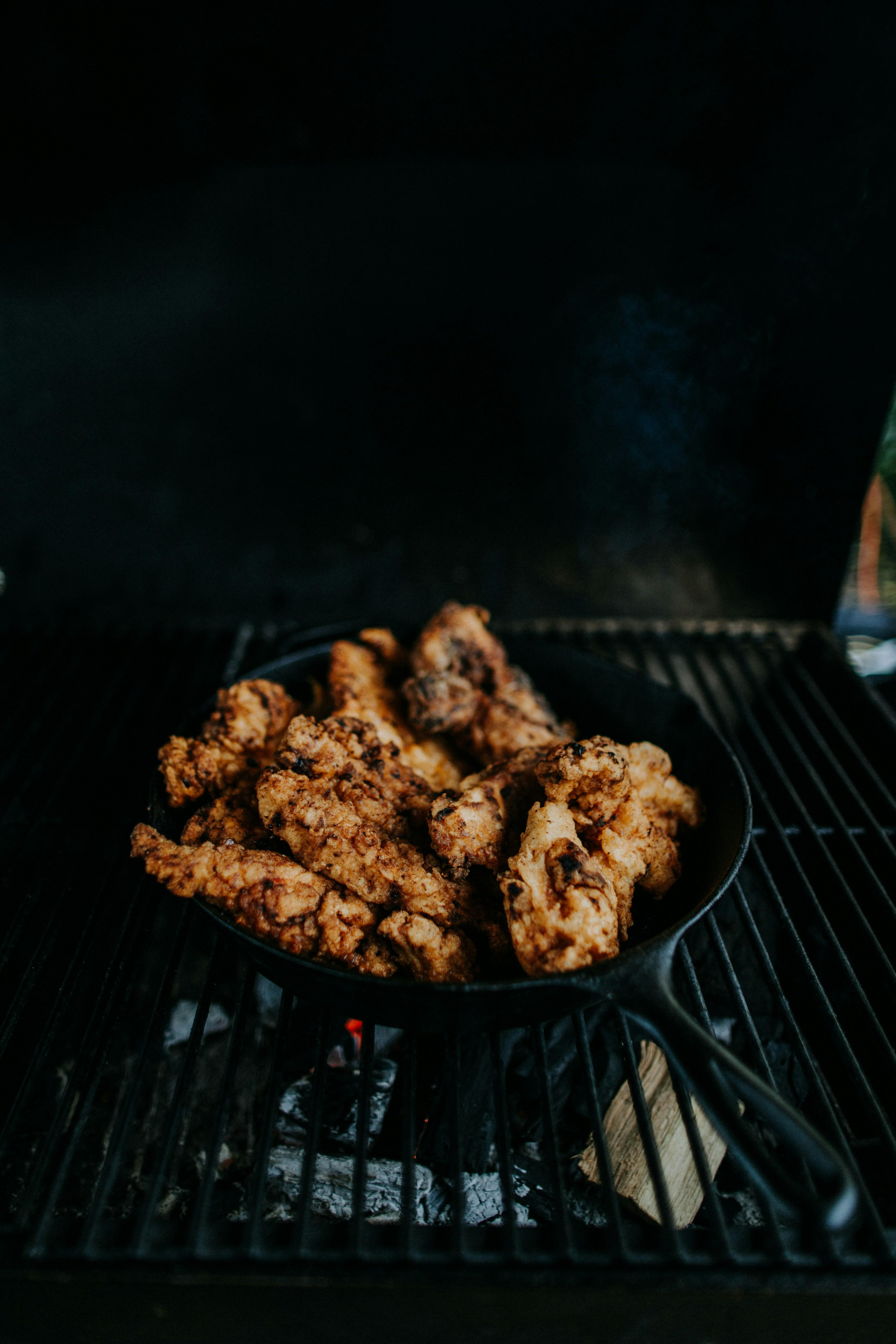
Achieving the Perfect Crispy Coating
Creating that irresistible crunch involves a few key techniques that transform ordinary chicken tenders into a restaurant-style delight. Start by ensuring your chicken is thoroughly dry before coating; moisture is the enemy of crispiness. Season your flour with salt, pepper, and any preferred spices to infuse flavor right from the start. Cornstarch is your secret weapon here, blending it with the flour creates a light, airy coating that crisps beautifully when fried.
To achieve layers of crunch, consider using a three-step breading process: dust the chicken in seasoned flour, dip in a beaten egg wash, and finally coat with a mixture of breadcrumbs and panko. Panko breadcrumbs are larger and flakier than traditional breadcrumbs, adding extra crunch. For an added twist, sprinkle in some grated Parmesan cheese or crushed cornflakes to the breadcrumb mix for a unique texture. Remember to let your coated chicken rest for a few minutes before frying; this helps the breading adhere better. With these tips, you’ll master the art of the perfect crispy coating, every time.
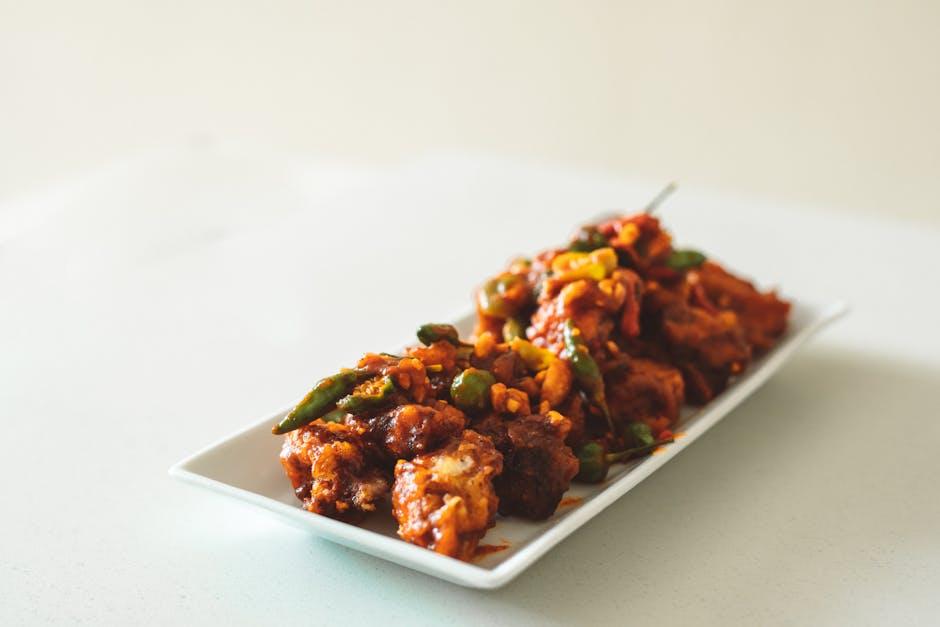
Unlocking Flavor with Seasoned Breading
Creating restaurant-style chicken tenders at home involves a secret weapon: the perfect seasoned breading. This flavorful crust is what sets apart the ordinary from the extraordinary. To achieve this, start by blending a medley of spices into your breadcrumb mixture. Consider incorporating paprika for a subtle smokiness, garlic powder for a hint of savory depth, and a touch of cayenne pepper to add a gentle kick. Don’t forget a sprinkle of dried herbs like oregano or thyme to introduce an aromatic dimension. The key is to balance these flavors so that each bite delivers a satisfying crunch followed by a burst of deliciousness.
- Texture is crucial: Use panko breadcrumbs for an extra crispy coating.
- Layer flavors: Marinate the chicken in buttermilk before breading to enhance tenderness.
- Customize your mix: Adjust the spice level to suit your taste preferences.
By paying attention to these details, you’ll transform a simple dish into a mouthwatering experience that rivals any restaurant offering. So, roll up your sleeves and let the seasoned breading be your culinary canvas.
Frying Techniques for Tender Perfection
Achieving that melt-in-your-mouth texture in chicken tenders starts with mastering a few key frying techniques. The cornerstone of success lies in maintaining the right oil temperature, typically around 350°F (175°C). This ensures a golden crust without overcooking the interior. Using a thermometer can be a game-changer here. Preheating the oil is crucial; too hot and the outside will burn before the inside cooks, too cold and your tenders will absorb excess oil, becoming soggy.
Consider employing a double-frying method. Initially, fry the tenders at a lower temperature to cook them through. Then, increase the heat and give them a quick second fry for that extra crunch. This technique not only enhances texture but also locks in juiciness. Here are a few more tips to elevate your frying game:
- Brining the chicken beforehand keeps it moist and flavorful.
- Use a mixture of all-purpose flour and cornstarch for a lighter, crispier coating.
- Don’t overcrowd the pan; fry in batches to maintain consistent oil temperature.
With these techniques, you’re well on your way to creating chicken tenders that rival your favorite restaurant’s offerings.
Closing Remarks
As we wrap up our culinary exploration into the art of crafting restaurant-style chicken tenders, it’s clear that the secret lies not just in the ingredients, but in the care and technique employed. From selecting the freshest chicken to mastering the perfect breading and frying method, each step is a testament to the pursuit of crispy, golden perfection. Whether you’re cooking for family, friends, or simply treating yourself, these tips promise to elevate your homemade tenders to new heights. So, don your apron, embrace the sizzle of the pan, and let your kitchen transform into a haven of flavor. After all, with a little patience and practice, every meal can feel like a night out at your favorite eatery. Bon appétit!