
 Web
Web
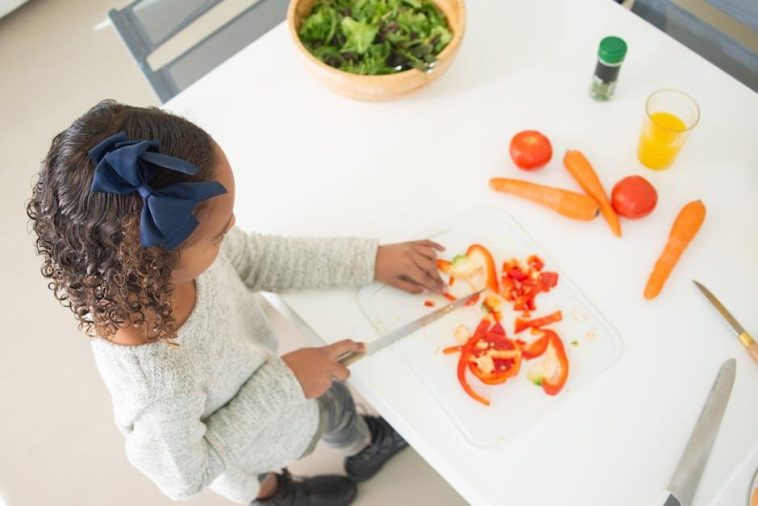
In the kaleidoscope of dietary choices that define our modern world, vegetarianism stands as a vibrant and intriguing option. As parents navigate the labyrinth of nutrition for their children, a question often arises: Are vegetarian diets safe for the young and growing? This query unfurls a tapestry of considerations, weaving together threads of health, ethics, and cultural beliefs. In this exploration, we delve into the science and stories behind plant-based diets for children, examining the benefits, potential pitfalls, and the delicate balance required to nurture young bodies and minds. Join us as we embark on a journey through the garden of vegetarianism, where every bite holds the promise of a healthier future—or perhaps a hidden challenge.
Nutritional Essentials for Growing Minds
- Protein Power: Plant-based sources such as lentils, beans, and quinoa can provide essential proteins. Including a variety of these foods ensures that children receive all necessary amino acids.
- Iron Insight: Dark leafy greens, fortified cereals, and dried fruits are excellent sources of iron. Pairing these with vitamin C-rich foods like oranges or strawberries can enhance absorption.
- Calcium and Vitamin D: Incorporate fortified plant milks and leafy greens to meet calcium needs. Sunlight and fortified foods can help maintain adequate Vitamin D levels.
- Omega-3 Fats: Flaxseeds, chia seeds, and walnuts offer essential fatty acids crucial for brain development. These can be easily added to smoothies or baked goods.
Balancing these elements within a child’s diet requires thoughtful planning and variety. Ensuring a colorful plate can be both visually appealing and nutritionally rich, paving the way for robust cognitive and physical development. Adopting a vegetarian lifestyle for children can indeed be safe and fulfilling, provided these nutritional essentials are met with diligence and creativity.

Balancing Plant-Based Proteins for Kids
Ensuring children receive adequate nutrition on a vegetarian diet requires a thoughtful approach to plant-based proteins. The goal is to provide a variety of protein sources to cover the spectrum of essential amino acids necessary for growth and development. Legumes like lentils, chickpeas, and black beans are excellent choices. Pairing them with grains such as rice or quinoa can create a complete protein profile. Nuts and seeds, such as almonds, sunflower seeds, and chia seeds, also offer protein along with healthy fats and micronutrients.
- Soy products: Tofu, tempeh, and edamame are versatile and rich in protein.
- Whole grains: Foods like oats, barley, and whole wheat contribute to protein intake.
- Vegetables: Broccoli, spinach, and peas are not only nutritious but add a surprising amount of protein.
Combining different sources throughout the day ensures children get a balanced intake of nutrients. Encouraging a diverse diet helps prevent deficiencies and supports their growing bodies, making plant-based eating both feasible and beneficial.
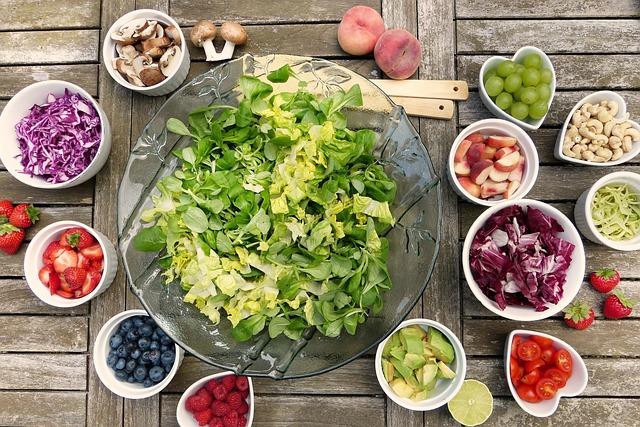
Navigating Potential Nutrient Deficiencies
Ensuring children receive all necessary nutrients is paramount, especially when following a vegetarian diet. Key nutrients that often require attention include iron, calcium, vitamin B12, and omega-3 fatty acids. Parents can manage these potential deficiencies by incorporating a diverse range of plant-based foods. For instance, iron can be sourced from lentils, spinach, and fortified cereals, while calcium is abundant in tofu, almonds, and fortified plant milks. Vitamin B12, primarily found in animal products, can be supplemented or obtained from fortified foods like nutritional yeast and certain cereals.
- Iron: Include beans, lentils, and quinoa in meals.
- Calcium: Opt for fortified plant milks and leafy greens.
- Vitamin B12: Use supplements or fortified foods.
- Omega-3 Fatty Acids: Incorporate flaxseeds, chia seeds, and walnuts.
With careful planning and a varied diet, vegetarian children can thrive and meet their nutritional needs effectively. Engaging with a pediatric dietitian can provide tailored advice and ensure a balanced approach to vegetarianism that supports a child’s growth and development.
Expert Tips for a Thriving Vegetarian Family
Ensuring that children receive all the essential nutrients while following a vegetarian lifestyle can be both rewarding and challenging. Here are some expert tips to help you navigate this path successfully:
- Balanced Diet: Ensure that your child’s diet includes a variety of fruits, vegetables, whole grains, and protein-rich foods like beans, lentils, and tofu.
- Iron and Vitamin B12: These are critical nutrients that can be less prevalent in vegetarian diets. Incorporate fortified cereals, leafy greens, and consider supplements if necessary.
- Calcium and Vitamin D: Essential for growing bones, these can be sourced from fortified plant milks, leafy greens, and exposure to sunlight.
- Protein Power: Include a mix of protein sources such as quinoa, nuts, seeds, and legumes to meet the daily requirements.
By focusing on a varied and balanced diet, you can ensure that your vegetarian family thrives. Regular consultations with a pediatric nutritionist can also provide personalized guidance tailored to your child’s needs.
The Conclusion
In the grand tapestry of dietary choices, the question of whether vegetarian diets are safe for children weaves a thread of curiosity and care. As we’ve journeyed through the landscape of nutrition, exploring the verdant fields of plant-based options, it’s clear that the answer is not simply a matter of yes or no, but rather a mosaic of considerations.
Parents and guardians, as the architects of young lives, hold the compass that guides these dietary paths. With the right blend of knowledge, planning, and professional guidance, vegetarian diets can indeed nurture the growing minds and bodies of children, ensuring they bloom with health and vitality. Yet, it’s equally important to recognize that each child is a unique canvas, requiring individualized strokes of nutritional attention.
the safety of a vegetarian diet for children lies in the balance of choice and responsibility, the harmony of tradition and innovation. As we close this chapter, let us embrace the dialogue and continue to explore, question, and learn, nurturing not just our children’s bodies, but their understanding of the world and its abundant possibilities.