
 Web
Web
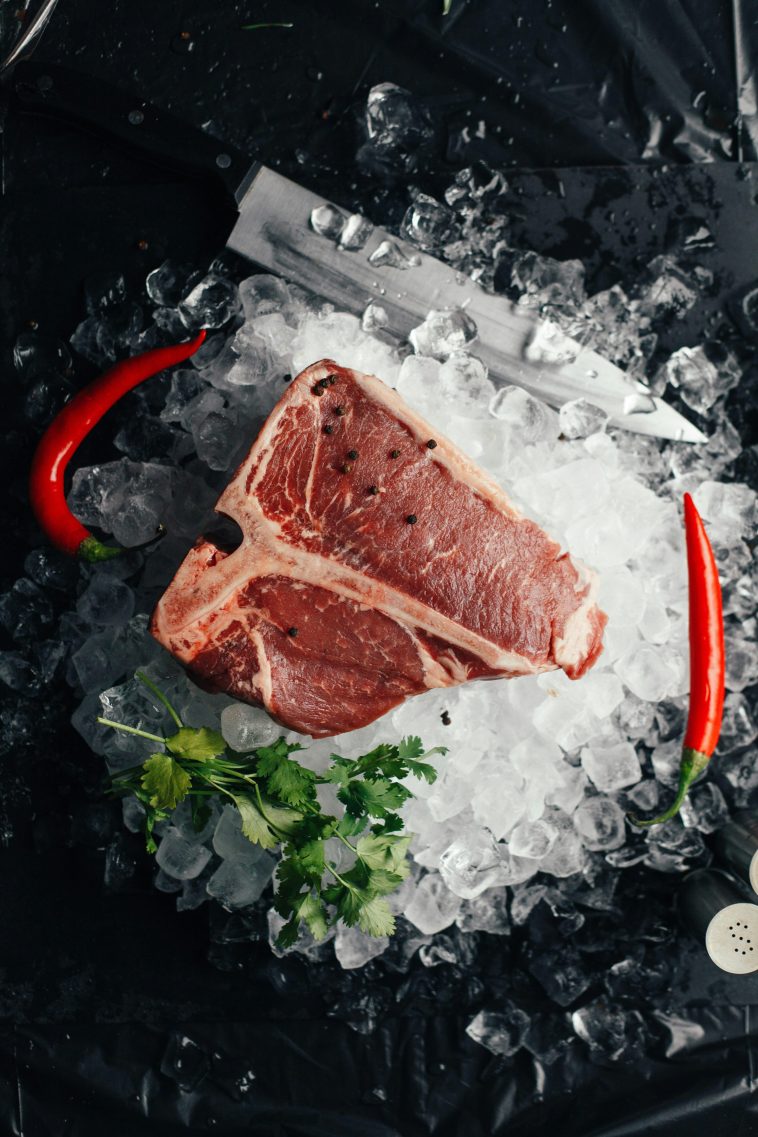
In the vast tapestry of environmental challenges that define our era, the relationship between meat consumption and climate change emerges as a thread both intricate and impactful. As the sun rises over verdant pastures and bustling urban centers alike, it casts light on a pressing question: how does the sizzling steak on our plate connect to the warming planet we inhabit? This article delves into the heart of this inquiry, unraveling the complex interplay between our dietary choices and their environmental footprints. From the lush fields where livestock graze to the intricate web of supply chains and emissions, we embark on a journey to explore the true scale of meat’s impact on the climate. Join us as we navigate this nuanced landscape, seeking clarity and understanding in the face of one of today’s most compelling environmental narratives.
The Carbon Footprint of Carnivorous Diets
The production and consumption of meat significantly contribute to greenhouse gas emissions, primarily due to the extensive resources required to raise livestock. Livestock farming is a leading cause of methane and nitrous oxide emissions, both potent greenhouse gases. The processes involved in meat production—from feed crop cultivation to transportation—demand substantial amounts of energy and water, further escalating the environmental impact. Here are some key factors:
- Land Use: Large swathes of land are cleared for grazing or growing feed, leading to deforestation and loss of biodiversity.
- Water Consumption: Raising animals for meat is water-intensive, with beef production being one of the most demanding.
- Feed Production: Growing crops for animal feed often involves fertilizers and pesticides, contributing to soil degradation and water pollution.
Moreover, the transportation and refrigeration of meat products further exacerbate carbon emissions. As demand for meat continues to grow globally, the strain on natural resources intensifies, making it crucial to consider dietary choices as part of broader climate change mitigation efforts.
From Pasture to Plate: Tracing Emissions in the Meat Supply Chain
Understanding the journey of meat from the pasture to the plate reveals a complex web of emissions sources that significantly contribute to climate change. The process begins at the farm level, where livestock production is a major emitter of methane, a potent greenhouse gas. This is primarily due to enteric fermentation in ruminants like cattle and sheep. Additionally, the cultivation of feed crops often involves extensive use of fertilizers and machinery, which further adds to the carbon footprint.
Beyond the farm, the processing and transportation stages of the supply chain introduce additional emissions. Meat processing plants consume substantial amounts of energy, often derived from fossil fuels, to slaughter, process, and package meat products. Transportation, both local and international, relies heavily on fuel, contributing to carbon emissions. retail and consumption stages play their part; refrigeration and storage require energy, and consumer choices impact waste and efficiency. By examining each step, we gain insights into how improvements and innovations can reduce the overall environmental impact of meat production.

Innovative Farming: Reducing the Environmental Hoofprint
In the pursuit of sustainable agriculture, innovative farming practices are emerging as a crucial element in addressing the environmental impact of meat production. These practices aim to balance the demands of feeding a growing population with the urgent need to reduce greenhouse gas emissions. Farmers and researchers are exploring a variety of approaches to achieve this balance:
- Regenerative Agriculture: By focusing on soil health, regenerative agriculture practices such as cover cropping and rotational grazing can significantly sequester carbon, enhancing biodiversity and reducing the need for synthetic fertilizers.
- Precision Livestock Farming: Leveraging technology, precision farming techniques use data analytics to optimize feeding, breeding, and overall animal health, leading to reduced methane emissions and improved resource efficiency.
- Alternative Feed Options: Innovators are developing feed additives and alternative proteins, such as algae and insects, which can decrease the methane output of livestock and improve the sustainability of feed production.
These forward-thinking strategies not only aim to decrease the “hoofprint” of livestock but also promise economic benefits by increasing productivity and reducing costs. As the agricultural sector continues to innovate, these practices could become key drivers in mitigating the environmental challenges posed by meat production.
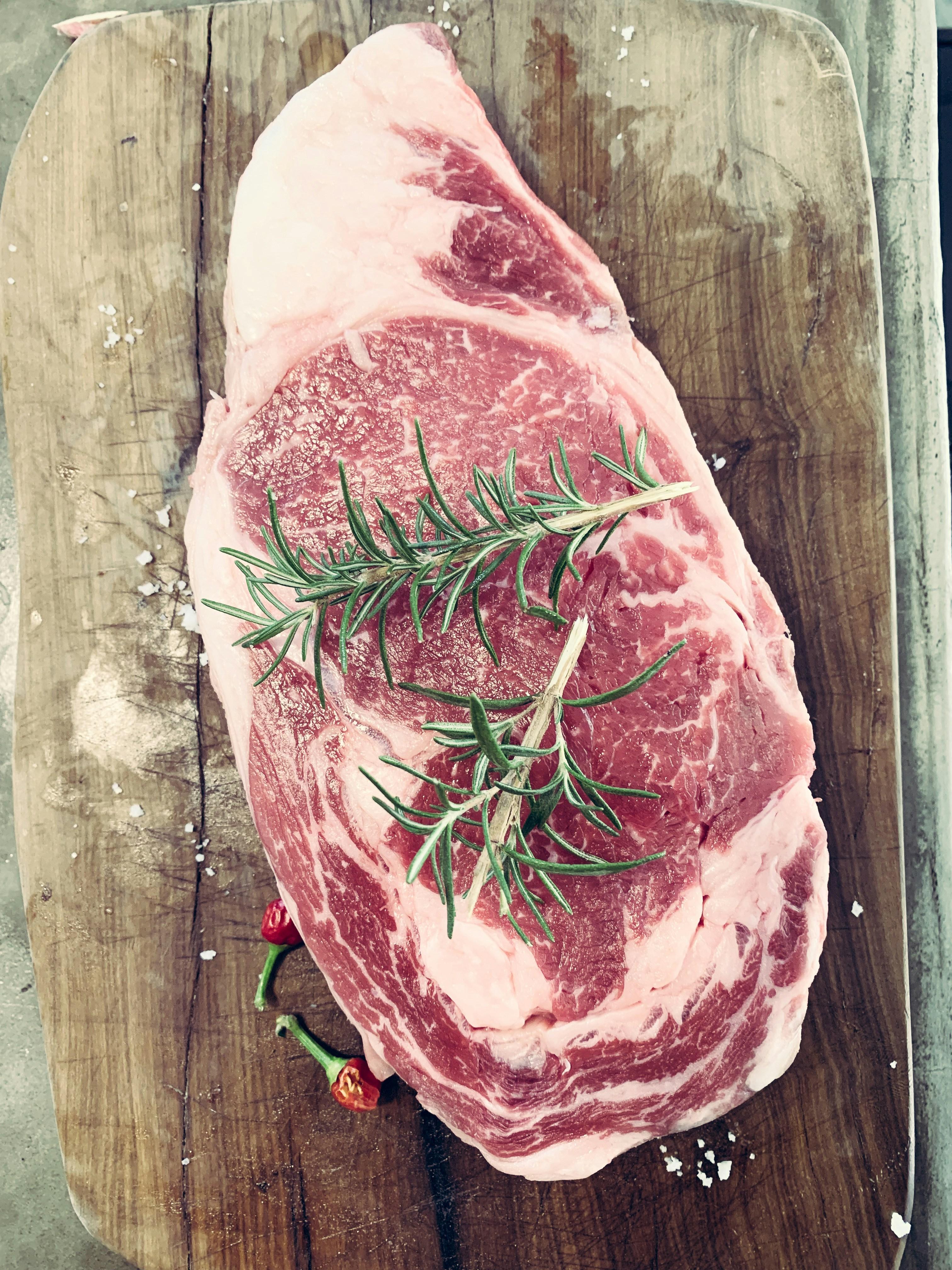
Towards Sustainable Consumption: Practical Steps for Meat Lovers
For meat enthusiasts aiming to reduce their environmental footprint, adopting more sustainable consumption habits can make a significant difference. Here are some practical steps to consider:
- Opt for Local and Organic: Choose meat sourced from local farms that practice organic farming. This not only reduces the carbon footprint associated with transportation but also supports farming practices that are less harmful to the environment.
- Incorporate Meatless Days: Designate specific days of the week as “meatless” to lower your overall meat consumption. This small change can have a considerable impact over time.
- Explore Plant-Based Alternatives: Experiment with plant-based proteins like lentils, chickpeas, and tofu. These can be deliciously integrated into meals, offering variety and reducing reliance on meat.
- Embrace Nose-to-Tail Eating: Utilize all parts of the animal to minimize waste and honor the resources used in meat production. This approach encourages culinary creativity and respect for food.
By integrating these practices, meat lovers can enjoy their favorite dishes while contributing to a more sustainable future. Small changes can collectively lead to a significant reduction in the carbon footprint associated with meat consumption.
Insights and Conclusions
As we draw the curtains on our exploration of meat and its intricate dance with the climate, it’s clear that this narrative is woven with complexity, urgency, and opportunity. The impact of meat on climate change is a multifaceted tapestry, with threads stretching from the pastures of agricultural innovation to the dining tables of cultural tradition. While the road ahead is undoubtedly challenging, it is also ripe with potential for transformative change.
By embracing a nuanced understanding and fostering collaboration across sectors, we can carve a path towards a more sustainable future. Whether it’s through technological advancements, shifts in dietary habits, or policy reform, each step taken can ripple outward, creating a more harmonious balance between our culinary desires and the planet’s well-being.
As we continue to navigate this evolving landscape, let us remain curious, informed, and open-minded. For in our hands lies the power to sculpt a future where both humanity and nature can thrive in tandem. The conversation doesn’t end here; it is merely the beginning of a journey towards a more sustainable coexistence.