
 Web
Web

In the culinary world, where food choices are as diverse as the cultures that inspire them, a new debate is simmering: are game meats healthier than their farmed counterparts? As more people seek sustainable and nutritious alternatives to traditional livestock, game meats—ranging from venison and wild boar to pheasant and rabbit—are making their way onto menus and into kitchens. These wild meats, often touted for their leaner profiles and richer flavors, prompt an intriguing question about health benefits and ecological impact. This article delves into the heart of the matter, examining the nutritional differences, environmental considerations, and culinary potential of game versus farmed meats. Whether you’re a seasoned hunter, a curious foodie, or a conscientious consumer, join us as we explore the untamed world of game meats and their place in our diets.
Nutritional Comparison: Wild vs. Farmed Meats
When it comes to comparing the nutritional profiles of wild and farmed meats, several factors come into play. Wild meats, often referred to as game meats, are typically leaner than their farmed counterparts. This is primarily due to the active lifestyle of wild animals, which leads to lower fat content and higher protein levels. Additionally, game meats are known to have a richer nutrient profile, often boasting higher levels of omega-3 fatty acids, vitamins, and minerals such as iron and zinc.
On the other hand, farmed meats benefit from controlled diets and environments, which can result in a more consistent taste and texture. However, this can sometimes mean higher fat content, particularly in meats like beef and pork, where marbling is prized. The nutritional differences can be summarized as follows:
- Wild Meats: Lower in fat, higher in omega-3s, rich in vitamins and minerals.
- Farmed Meats: Consistent flavor, higher fat content, can be fortified with nutrients.
Understanding these differences can help consumers make informed choices based on dietary needs and personal preferences.

Exploring the Environmental Impact of Game Hunting
When discussing the environmental impact of hunting, it’s essential to consider how it compares to conventional farming practices. Game hunting, when managed sustainably, can potentially offer a lower carbon footprint than traditional livestock farming. This is because wild game animals are not confined to feedlots and do not require the same resources for growth, such as extensive water, feed, and land. Instead, they roam freely in their natural habitats, consuming local flora, which can lead to a more balanced ecosystem.
- Biodiversity Preservation: Properly regulated hunting can contribute to the conservation of biodiversity by maintaining balanced animal populations, preventing overgrazing, and supporting habitat preservation.
- Minimal Land Degradation: Unlike intensive farming, which often leads to soil erosion and degradation, game hunting relies on existing ecosystems without altering the landscape.
- Local Economy Support: Sustainable hunting can bolster local economies by promoting eco-tourism and providing livelihoods without the environmental costs associated with large-scale agriculture.
While game hunting can have a positive environmental impact, it is crucial to approach it with a strategy that emphasizes sustainability and respects ecological limits. Without careful management, hunting can lead to the depletion of species and disruption of local ecosystems, undermining its potential benefits.

Balancing Diet and Ethics: The Game Meat Dilemma
When considering the nutritional profiles of game meats versus farmed meats, there are distinct differences that might sway health-conscious consumers. Game meats, such as venison, elk, and wild boar, are typically leaner and contain higher levels of essential nutrients. They often have more omega-3 fatty acids, less saturated fat, and are rich in minerals like iron and zinc. These benefits are partly due to the wild animals’ natural diets and active lifestyles, which contrast with the more sedentary and grain-fed existence of many farmed animals.
- Higher in protein and lower in calories.
- Rich in vitamins such as B6 and B12.
- Contains more antioxidants due to diverse diets.
However, the ethical implications of consuming game meats cannot be ignored. The sustainability of hunting practices, the impact on wildlife populations, and the ecological footprint of sourcing these meats raise important questions. While some argue that responsible hunting supports conservation efforts and provides a more ethical alternative to factory farming, others highlight the potential for overhunting and habitat disruption. Thus, consumers are left to weigh the nutritional benefits against the broader environmental and ethical considerations.
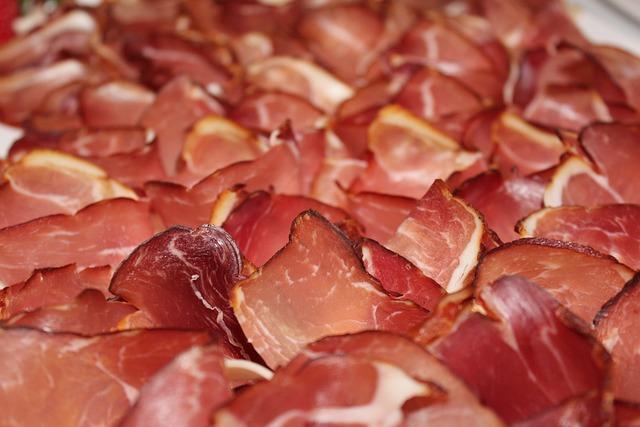
Expert Tips on Safely Incorporating Game Meats into Your Diet
Incorporating game meats into your diet can offer a delightful culinary adventure while potentially providing health benefits. However, it is essential to approach this dietary shift with care. Sourcing is crucial; always purchase game meats from reputable suppliers to ensure quality and safety. This minimizes the risk of contamination and ensures the meat has been processed under hygienic conditions.
When preparing game meats, consider these expert tips:
- Cooking Temperature: Ensure meats reach the appropriate internal temperature to eliminate harmful bacteria.
- Marination: Marinating game meats can tenderize the meat and reduce any gamey flavors, enhancing the overall taste.
- Portion Control: Like any meat, moderation is key. Balance your intake with a variety of proteins to maintain a well-rounded diet.
- Storage: Store game meats properly, either by freezing or refrigerating, to preserve their quality and safety.
By following these guidelines, you can safely enjoy the unique flavors and potential health benefits that game meats offer.
Final Thoughts
As we draw our exploration to a close, the question of whether game meats are healthier than their farmed counterparts remains nuanced, nestled in a landscape rich with variables and personal choices. While the allure of game meats lies in their leaner profiles and more natural upbringing, the comfort and consistency of farmed meats offer their own merits. Ultimately, the decision may rest not just on nutritional charts or ethical considerations, but on a tapestry of individual values, culinary curiosity, and health goals. As with any culinary adventure, the journey is as significant as the destination, inviting us to savor each choice with mindful awareness and an open palate. Whether your plate holds the wildness of venison or the familiarity of chicken, let it be a reflection of your own quest for balance and well-being.