
 Web
Web
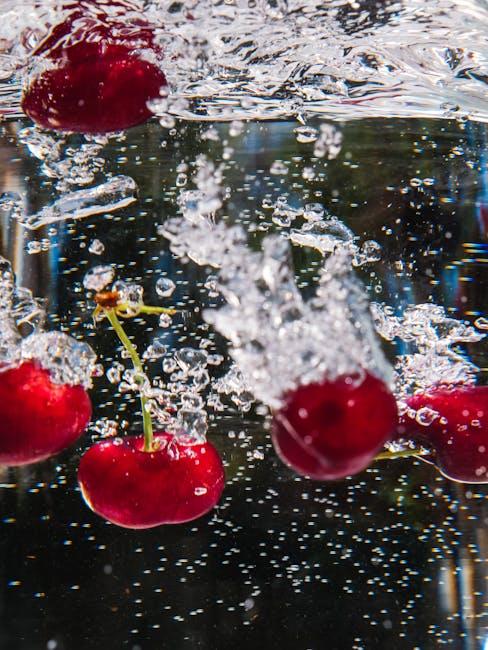
In the ever-evolving world of wellness and hydration, a fizzy contender has bubbled its way to the forefront of our refreshment choices: sparkling water. With its effervescent allure and refreshing zing, this carbonated cousin of still water has sparked a lively debate among hydration enthusiasts and health-conscious individuals alike. As we uncork this topic, we delve into the question that has many wondering: Is sparkling water as hydrating as regular water? Join us as we navigate the currents of carbonation and clarity, exploring the science, myths, and truths that lie beneath the surface of these two thirst-quenching options. Whether you’re a devoted fan of the fizz or a steadfast supporter of the still, this investigation aims to quench your curiosity and provide a balanced perspective on the bubbly battle of hydration.
Understanding Hydration: Sparkling vs. Still Water
While both sparkling and still water serve as effective means of hydration, they each offer distinct experiences and benefits. Sparkling water, with its effervescent bubbles, provides a refreshing sensation that some find more appealing than the smoothness of still water. This carbonation, however, does not diminish its hydrating capabilities. In fact, the body processes both types of water in much the same way. The choice between the two often boils down to personal preference and specific dietary needs.
When considering which to choose, here are a few factors to keep in mind:
- Taste and Texture: Sparkling water offers a bubbly texture that some find invigorating, while still water is smooth and unobtrusive.
- Additives: Some sparkling waters contain added flavors or sodium, which may affect overall health goals.
- Digestive Benefits: The carbonation in sparkling water may aid in digestion for some individuals, but could cause bloating in others.
Ultimately, both types of water can keep you hydrated, so enjoy whichever suits your taste and lifestyle best!
The Science Behind Bubbles: Hydration Efficiency Explored
When we think of hydration, our minds typically gravitate towards the clear, still waters of a tranquil lake. Yet, the effervescent allure of sparkling water has captured the attention of many, leading to an intriguing question: does the fizz alter its hydrating prowess? Scientifically speaking, both sparkling and regular water are composed of the same fundamental molecule, H2O, ensuring they share a similar baseline for hydration. The key difference lies in the addition of carbon dioxide, which creates the delightful bubbles that dance upon our tongues.
To delve deeper into the hydration efficiency of these bubbly beverages, it’s essential to consider a few factors:
- Carbonation Level: While the fizz might offer a refreshing zing, it doesn’t inherently enhance or reduce hydration. It’s the same water beneath the bubbles.
- Mineral Content: Some sparkling waters are infused with minerals, which can offer additional health benefits, although this doesn’t directly impact hydration.
- Consumption Preference: For some, the bubbly sensation might encourage more frequent drinking, potentially leading to better overall hydration.
Ultimately, whether one prefers their water still or sparkling, the choice boils down to personal preference, as both are equally capable of quenching your thirst.

Comparing Mineral Content: Sparkling and Regular Water
When it comes to the mineral content of sparkling versus regular water, the difference can be as clear as the water itself. Sparkling water often contains a variety of added minerals, which can include calcium, magnesium, and sodium, giving it a slightly salty or mineral-rich taste. These minerals are not only responsible for the distinct flavor but also contribute to the daily intake of essential nutrients. However, the levels can vary widely between brands and types, so it’s always worth checking the label if you’re mindful of your mineral consumption.
On the other hand, regular water typically has a more consistent mineral profile, often containing naturally occurring elements depending on the source. It might include:
- Trace amounts of calcium and magnesium, which support bone health and muscle function.
- Sodium, albeit in much smaller quantities compared to its fizzy counterpart.
- Other trace minerals that can vary based on the geographical source of the water.
While both types of water offer hydrating benefits, the added minerals in sparkling water can make it a more flavorful choice for those looking to enhance their hydration experience with a bit of fizz.

Expert Recommendations: Choosing the Right Water for Your Needs
When it comes to quenching your thirst, the choice between sparkling and regular water often boils down to personal preference, but understanding the nuances can enhance your hydration strategy. While both types of water offer hydration, there are subtle differences that may influence your decision. Regular water is a pure, straightforward option, free from any added minerals or carbonation, making it a go-to for everyday hydration. It’s often recommended for those who engage in physical activities, as it efficiently replenishes fluids without any added substances that might irritate the stomach.
- Sparkling water, on the other hand, provides a fizzy alternative that some find more refreshing and enjoyable. The carbonation can make it feel more satisfying, potentially encouraging you to drink more if you find plain water less appealing.
- Mineral content: Some sparkling waters come enriched with minerals like calcium or magnesium, which can offer additional health benefits.
- Caloric and sugar content: Always check labels, as flavored sparkling waters might contain added sugars or calories, unlike their plain counterparts.
Ultimately, the best choice hinges on your lifestyle, dietary needs, and personal taste. If you enjoy the bubbles and it encourages you to stay hydrated, sparkling water can be just as effective. However, for a purist approach, regular water remains a timeless, unfaltering choice.
In Conclusion
In the effervescent dance between sparkling water and its still counterpart, the question of hydration finds itself gently fizzing to the surface. As we’ve explored, both forms of water serve as reliable allies in our quest to quench thirst and maintain balance. Whether you delight in the crisp pop of bubbles or the serene simplicity of stillness, the choice ultimately rests in your hands, or rather, in your glass. So, let your taste buds be your guide and raise a toast to hydration in all its sparkling or still glory. After all, the essence of water remains unchanged: a life-giving elixir, bubbling with possibilities.