
 Web
Web
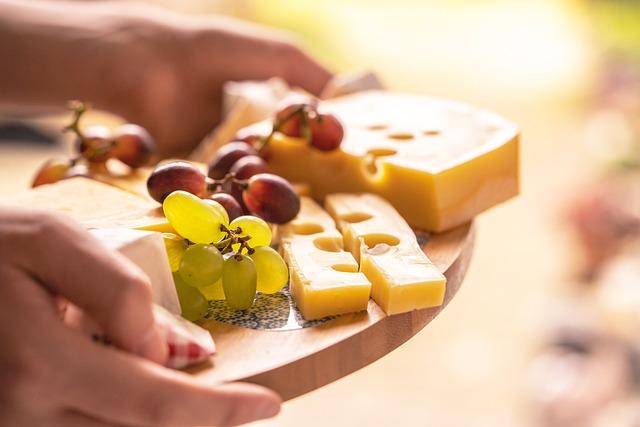
In the world of culinary exploration, few journeys are as rewarding as crafting your own creations, and vegan cheese is no exception. Whether you’re a seasoned plant-based enthusiast or simply curious about dairy-free alternatives, making vegan cheese at home offers a delightful blend of science and artistry. This process not only allows you to tailor flavors and textures to your liking but also provides a deeper appreciation for the ingredients and techniques that transform simple elements into a delectable treat. Join us as we delve into the art of homemade vegan cheese, where creativity knows no bounds and every bite tells a story of innovation and taste.
Choosing the Right Ingredients for a Creamy Vegan Cheese
Creating a luscious, creamy vegan cheese begins with the careful selection of ingredients that not only mimic the texture and flavor of traditional cheese but also enhance its uniqueness. Start with a base of raw cashews, soaked overnight to achieve a silky smooth consistency when blended. For a tangy twist, incorporate nutritional yeast, which imparts a cheesy flavor without any dairy. To ensure a rich and creamy texture, consider adding coconut milk or silken tofu; both options provide a velvety finish and a neutral taste that complements the other flavors.
- Thickening Agents: Arrowroot powder or agar-agar can help achieve the desired firmness.
- Acidic Components: A splash of lemon juice or apple cider vinegar adds a delightful tang.
- Seasonings: Garlic powder, onion powder, and smoked paprika can elevate the flavor profile.
Don’t forget to experiment with fermented ingredients like miso paste or probiotic capsules for an authentic, aged taste. These elements not only contribute to the umami notes but also promote gut health. As you blend these ingredients, remember to adjust the seasonings and textures to suit your palate, ensuring each bite of your homemade vegan cheese is as satisfying as it is innovative.

Mastering the Art of Fermentation for Flavorful Results
Creating vegan cheese at home is not just about replicating the taste of dairy cheese but embracing the art of fermentation to craft a unique, flavorful experience. The journey begins with selecting your base ingredients, often nuts or seeds, such as cashews or sunflower seeds. Soak them to soften, then blend with water, nutritional yeast, and a touch of miso for umami depth. The magic happens when you introduce probiotics or a starter culture, allowing nature to work its wonders. Over the course of a few days, your mixture will develop complex flavors and a delightful tanginess.
- Select your base: Cashews, almonds, or sunflower seeds.
- Add umami: Nutritional yeast and miso.
- Introduce probiotics: Use a starter culture or probiotic capsules.
- Ferment: Allow the mixture to sit at room temperature for 24-48 hours.
- Customize: Mix in herbs, garlic, or spices for added flavor.
As you refine your process, you’ll discover the delicate balance between time, temperature, and flavor, enabling you to craft a cheese that is uniquely yours. Whether spreadable or firm, the results will transform your culinary creations, providing a satisfying, dairy-free alternative that delights the palate.

Essential Equipment for Homemade Vegan Cheese Making
Embarking on the journey of crafting your own vegan cheese requires a handful of essential tools to ensure a smooth and successful process. First and foremost, a high-speed blender is indispensable for achieving the creamy, smooth texture that is the hallmark of any good cheese. This piece of equipment will help you blend nuts, seeds, or other bases into a velvety mixture. Additionally, a cheesecloth or nut milk bag is crucial for straining the mixture, removing any excess liquid, and shaping your cheese into the desired form.
Another vital tool is a food thermometer, which allows you to precisely monitor temperatures during processes like culturing or setting, ensuring your cheese develops the right flavors and textures. You’ll also need molds or containers to shape and store your cheese—silicone molds work wonderfully due to their flexibility and ease of use. Lastly, don’t forget a set of measuring cups and spoons to maintain consistency in your recipes. Together, these tools will equip you to create a variety of delicious and satisfying vegan cheeses right in your own kitchen.

Troubleshooting Common Issues in Vegan Cheese Production
When crafting your own plant-based cheese, encountering a few hiccups is part of the journey. One frequent issue is the texture not turning out as expected. If your cheese is too runny, it might be due to excess liquid. Consider reducing the amount of water or plant-based milk in your recipe. On the other hand, if it’s too firm, adding a little extra liquid can help achieve the desired creaminess. The type of thickener used, such as agar-agar or tapioca starch, also plays a crucial role. Adjusting the quantities or trying a different thickener might yield better results.
Another common challenge is the flavor profile. Sometimes the taste can be too bland or overwhelmingly nutty. To enhance the flavor, experiment with different seasonings. Nutritional yeast, garlic powder, and smoked paprika can add a depth of taste, while lemon juice or apple cider vinegar can introduce a tangy note. If you’re dealing with a strong nut flavor, try blending in milder ingredients like cooked potatoes or carrots. Keep in mind that the right balance of spices can elevate your cheese from ordinary to extraordinary.
- Adjust texture: Modify liquid or thickener amounts.
- Enhance flavor: Use spices like nutritional yeast and garlic powder.
- Balance nutty taste: Blend with milder ingredients.
In Conclusion
As you embark on your culinary adventure into the world of homemade vegan cheese, remember that each batch is an opportunity to experiment, learn, and delight in the artistry of plant-based alchemy. With a handful of simple ingredients and a dash of creativity, you can transform humble nuts, seeds, and legumes into rich, flavorful cheeses that satisfy both the palate and the conscience. Whether you’re spreading it on a slice of freshly baked bread, crumbling it over a vibrant salad, or savoring it on its own, your homemade vegan cheese is a testament to the endless possibilities of compassionate cooking. So, gather your tools, embrace the process, and let your kitchen become a canvas where plant-based dreams come to life. Happy cheesemaking!