 Web
Web
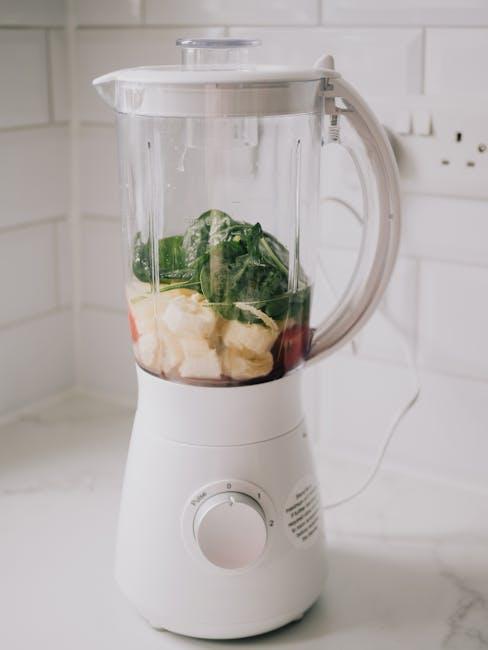
In the ever-evolving landscape of dietary trends and nutritional innovation, the humble smoothie has emerged as a versatile contender for meal replacement, particularly within vegetarian circles. With their vibrant hues and promises of convenience, smoothies have found a place in the hearts and kitchens of many who seek a quick yet wholesome solution to their dietary needs. But as their popularity soars, a question arises: can these blended concoctions truly stand in as a complete meal for vegetarians? This article delves into the colorful world of smoothies, examining their nutritional potential and exploring whether they can genuinely satisfy the dietary requirements of those who choose a plant-based lifestyle. Join us as we unravel the complexities of smoothies, assessing their role as a meal replacement while keeping a balanced view on their benefits and limitations.
Smoothie Nutrition: Balancing Essential Nutrients for Vegetarians
For vegetarians seeking a balanced diet, smoothies can be an excellent way to integrate a spectrum of essential nutrients. A well-crafted smoothie can provide a robust combination of macronutrients and micronutrients necessary for a complete meal. Protein is often a concern for vegetarians, but by incorporating ingredients such as Greek yogurt, almond butter, or pea protein powder, smoothies can easily meet daily protein needs. Healthy fats can be sourced from avocado, chia seeds, or flaxseeds, which also add a creamy texture and satiety.
- Fiber: Add spinach, kale, or oats to keep your digestive system in check.
- Vitamins & Minerals: Berries, bananas, and oranges provide essential vitamins like C and B6.
- Calcium: Use fortified plant-based milk or leafy greens to support bone health.
Balancing the components of your smoothie not only makes it a nutrient-dense meal replacement but also keeps your palate intrigued. Play around with flavors and textures to create a satisfying experience while ensuring you’re not missing out on key dietary needs.

Crafting the Perfect Vegetarian Smoothie: Ingredients to Include
When it comes to crafting a delicious and nutritious vegetarian smoothie, choosing the right ingredients is key to ensuring it serves as a balanced meal replacement. Start with a base of plant-based milk such as almond, soy, or oat milk to provide a creamy texture and essential nutrients. Add a generous handful of leafy greens like spinach or kale, which are rich in vitamins and minerals without overpowering the flavor. For a boost of protein, consider incorporating nut butters or plant-based protein powders.
- Fruits: Berries, bananas, and mangoes not only add natural sweetness but also provide antioxidants and fiber.
- Seeds: Chia seeds or flaxseeds can enhance the smoothie with omega-3 fatty acids and additional fiber.
- Yogurt: Opt for dairy-free options like coconut or almond yogurt to introduce probiotics and a velvety consistency.
- Sweeteners: If needed, a touch of honey, agave syrup, or dates can sweeten the deal without resorting to refined sugars.
By thoughtfully combining these ingredients, you can create a satisfying vegetarian smoothie that supports your dietary needs while delighting your taste buds.
Potential Pitfalls: Avoiding Common Smoothie Mistakes
While smoothies can be a nutritious meal replacement option for vegetarians, several common mistakes could hinder their effectiveness. Here are some potential pitfalls to watch out for:
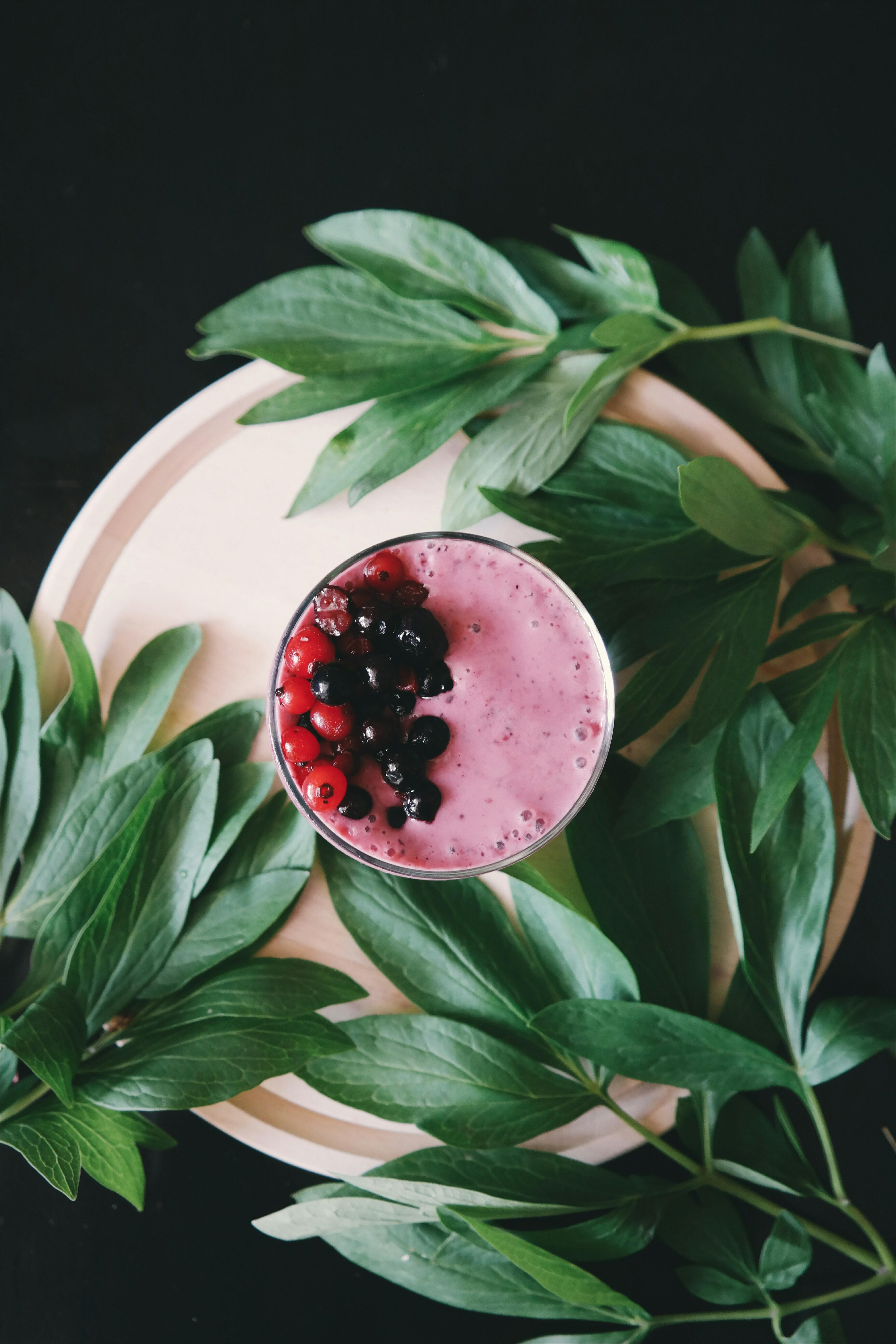
- Overloading on Fruits: Although fruits are a great source of vitamins and antioxidants, using too many can lead to excessive sugar intake. Balancing fruits with leafy greens like spinach or kale can help maintain nutritional equilibrium.
- Neglecting Protein: For vegetarians, ensuring adequate protein intake is crucial. Incorporate protein-rich ingredients like Greek yogurt, nut butter, or plant-based protein powders to keep you feeling full and satisfied.
- Ignoring Fiber: Fiber is essential for digestive health and prolonged satiety. Adding chia seeds, flaxseeds, or oats can boost fiber content, transforming your smoothie into a more balanced meal.
- Forgetting Healthy Fats: Don’t shy away from healthy fats. Ingredients like avocado or coconut oil not only enhance the creaminess of your smoothie but also aid in nutrient absorption.
By being mindful of these elements, you can craft smoothies that serve as effective and nourishing meal replacements, ensuring a balanced diet without compromising on taste or health benefits.
Expert Tips for Making Your Smoothie a Satisfying Meal Replacement
Transforming your smoothie into a full-fledged meal replacement involves a thoughtful balance of ingredients. Begin with a protein base, such as Greek yogurt, silken tofu, or plant-based protein powder, to keep you feeling full and satisfied. Incorporate healthy fats like avocado, nut butters, or chia seeds to enhance texture and provide essential nutrients. Don’t forget to add a generous serving of fiber-rich fruits and vegetables; spinach, kale, berries, and bananas are excellent choices that add both flavor and nutrition.
To ensure your smoothie meets all nutritional needs, consider these additional tips:
- Boost with Superfoods: Add a tablespoon of spirulina, maca powder, or cacao nibs for an extra nutrient punch.
- Mind the Sweetness: Use natural sweeteners like dates or honey sparingly to avoid unnecessary sugar spikes.
- Hydration is Key: Blend with coconut water or almond milk for a hydrating and creamy consistency.
- Stay Balanced: Aim for a balance of macronutrients to ensure your smoothie is both satisfying and nourishing.
By following these tips, your smoothie can easily transition from a simple snack to a robust meal that fits seamlessly into a vegetarian lifestyle.
Closing Remarks
In the ever-evolving landscape of nutrition, the humble smoothie stands as a testament to both innovation and simplicity. For vegetarians seeking a meal replacement, it offers a blend of potential benefits and considerations. While smoothies can provide a convenient and nutrient-dense option, they also require careful crafting to ensure balance and satiation. As we blend the lines between convenience and nutrition, it’s essential to remember that the key to a successful smoothie lies in its ingredients and the intention behind its creation. So, whether you’re a smoothie aficionado or a curious newcomer, let your culinary creativity flow, and perhaps, amidst the whirl of your blender, you’ll discover not just a meal replacement, but a refreshing addition to your vegetarian journey.