
 Web
Web
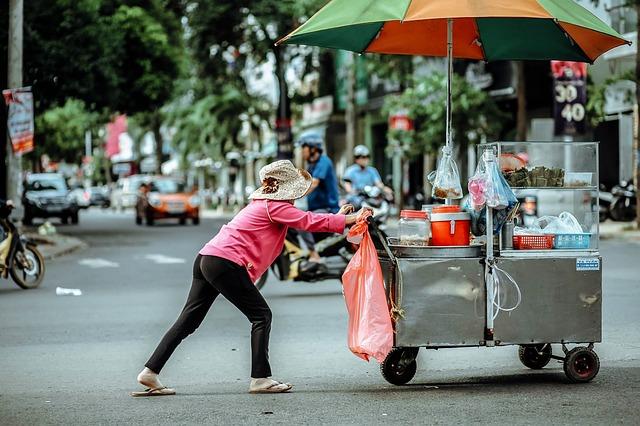
In the bustling heart of Bangkok, where the aroma of sizzling spices mingles with the vibrant hum of city life, street food vendors stand as both culinary icons and cultural cornerstones. These unregulated purveyors of flavor offer an enticing array of dishes that capture the essence of Thai cuisine, drawing locals and tourists alike into their orbit. Yet, as the sun sets over the Chao Phraya River and the city lights flicker to life, a question lingers in the air as palpable as the steam rising from a bowl of tom yum: How safe are these tantalizing offerings? This article delves into the world of Bangkok’s street food vendors, exploring the delicate balance between gastronomic adventure and food safety, and uncovering the unseen dynamics that shape this vibrant street food culture.
Exploring the Allure and Risks of Bangkoks Street Food Scene
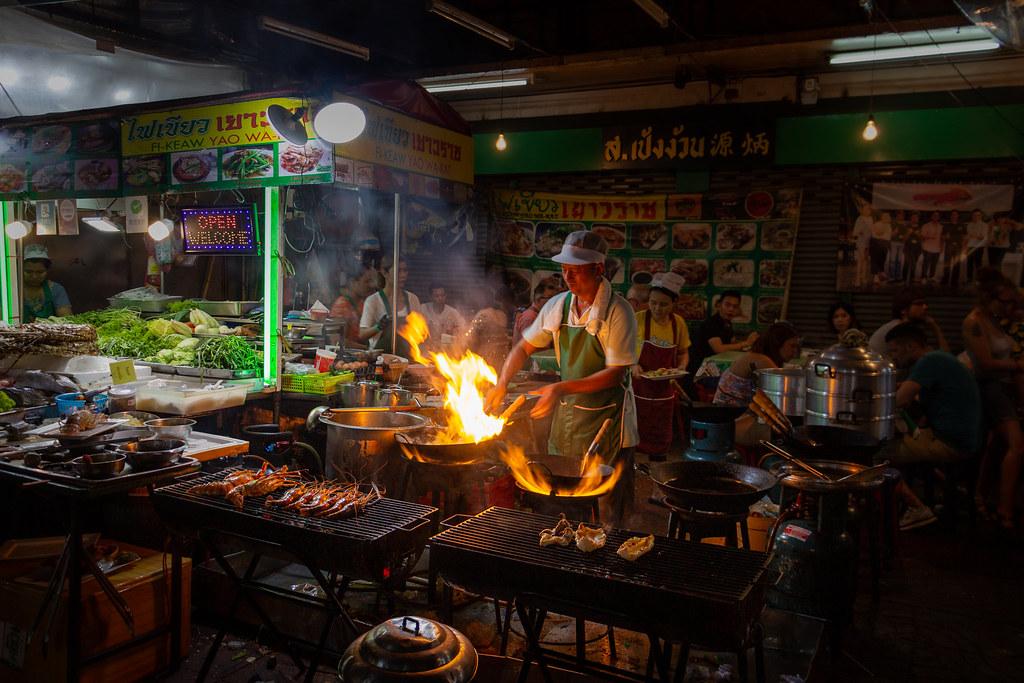
Bangkok’s vibrant street food scene is a culinary adventure that tantalizes the senses with its rich aromas and vibrant flavors. However, as with any unregulated food industry, there are inherent risks that both locals and tourists must consider. While many vendors adhere to traditional cooking methods and prioritize hygiene, others may not meet the same standards, posing potential health risks. It’s essential to be mindful of where and what you choose to eat.
- Look for Busy Stalls: A high turnover of food often means fresher ingredients and less chance of spoilage.
- Observe Hygiene Practices: Pay attention to how the vendor handles food and whether they maintain cleanliness in their cooking area.
- Trust Your Instincts: If something doesn’t look or smell right, it’s best to err on the side of caution.
While the allure of street food is undeniable, balancing adventure with safety can enhance your gastronomic journey through Bangkok. Embrace the experience with an informed approach to enjoy the best of what this dynamic city has to offer.
Understanding Health and Safety Concerns Among Street Vendors
Street food is a vibrant part of Bangkok’s culinary landscape, offering a sensory explosion of flavors and aromas that captivate locals and tourists alike. However, the health and safety concerns surrounding these unregulated vendors often linger in the minds of consumers. Sanitation practices vary widely, with some vendors adhering to high standards of cleanliness while others may lack access to basic sanitation facilities. This disparity raises questions about the potential risks associated with consuming street food.
- Food Handling: Without strict regulations, food handling practices can differ significantly, affecting food safety.
- Ingredient Quality: The sourcing of ingredients is often inconsistent, leading to varying levels of freshness and quality.
- Hygiene Facilities: Limited access to clean water and proper waste disposal can impact overall hygiene.
- Health Inspections: The absence of regular health inspections can leave room for lapses in safety protocols.
Despite these challenges, many street vendors are keenly aware of the importance of maintaining good hygiene and strive to ensure the safety of their food. Innovative solutions and community initiatives are emerging to support these vendors in adopting safer practices, balancing tradition with modern health standards.
Cultural Significance vs. Public Health: Striking a Balance
The allure of Bangkok’s street food is undeniable, capturing the essence of the city’s vibrant culture and culinary diversity. However, the unregulated nature of these vendors raises concerns about public health and safety. Cultural heritage and gastronomic traditions are at the heart of street food, representing more than just a meal; they are a social experience, a melting pot of flavors, and a daily ritual for locals and tourists alike. Yet, the lack of oversight poses significant challenges. Food safety issues such as hygiene practices, ingredient sourcing, and waste management often come into question. Balancing these concerns requires a nuanced approach that respects cultural practices while prioritizing the well-being of consumers.
To achieve this equilibrium, stakeholders can consider:
- Implementing basic hygiene training for vendors without stifling the authenticity of their offerings.
- Encouraging collaborations between health authorities and street vendors to promote safe food handling practices.
- Utilizing technology to monitor and share real-time information on food safety standards.
This collaborative approach could potentially preserve the rich tapestry of Bangkok’s street food culture while ensuring public health standards are met. Embracing both cultural significance and health safety can transform street food vending into a more sustainable and secure practice.
Practical Tips for Enjoying Street Food Safely in Bangkok
Exploring the bustling streets of Bangkok is a sensory delight, especially when it comes to the city’s vibrant street food scene. To make sure your culinary adventure is both delightful and safe, consider these practical tips:
- Observe the Crowds: Vendors with a steady stream of locals are often a good sign of fresh and tasty food. Locals know best, and their trust in a vendor usually indicates quality.
- Check for Cleanliness: While street stalls aren’t held to the same standards as restaurants, a clean and organized setup is crucial. Look for vendors who handle food with gloves or utensils and keep their workstations tidy.
- Opt for Cooked Foods: Eating dishes that are cooked at high temperatures, such as grilled meats or stir-fries, can reduce the risk of foodborne illnesses. Avoid raw or undercooked options unless you’re sure of the vendor’s reputation.
- Stay Hydrated, but Be Cautious: Drink plenty of water to stay hydrated in Bangkok’s heat, but opt for bottled water or beverages from reputable sources to avoid potential contaminants.
By following these tips, you can savor the myriad flavors of Bangkok’s street food scene while ensuring a safe and enjoyable experience.
Future Outlook
In the vibrant tapestry of Bangkok’s bustling streets, where the aroma of sizzling skewers mingles with the chatter of locals and tourists alike, the question of safety lingers like a delicate spice. As we have journeyed through the maze of unregulated street food vendors, we’ve uncovered layers of tradition, innovation, and complexity. While these culinary artisans offer a tantalizing taste of Thailand’s rich cultural heritage, they also present challenges that call for mindful consideration.
The narrative of street food safety is not a simple one, painted in shades of black and white. Instead, it is a mosaic of experiences, perspectives, and evolving practices. As consumers, we are invited to partake in this flavorful dialogue, armed with knowledge and awareness. It is a dance of trust and caution, where the joys of discovery are balanced with the realities of health and safety.
the streets of Bangkok remain an open-air theatre, where every vendor is a storyteller, every dish a chapter in an ongoing saga. As we step away from the vibrant stalls, let us carry with us a newfound appreciation for the intricate interplay between tradition and modernity, and a deeper understanding of the delicious, yet complex world of street food. Whether you’re a seasoned traveler or a curious newcomer, may your culinary adventures be as safe as they are unforgettable.