
 Web
Web

In the heart of Rome, where ancient ruins echo tales of the past and culinary artistry is woven into the fabric of everyday life, a new conversation is bubbling to the surface: Is the Michelin Star rating system losing its luster? For decades, this prestigious accolade has served as a beacon for gourmets and travelers, guiding them to the crème de la crème of dining experiences. Yet, in a city where tradition and innovation constantly dance in a delicate balance, questions are being raised about whether the Michelin Stars still shine as brightly. As Rome’s culinary scene evolves, embracing both its rich heritage and a burgeoning wave of contemporary creativity, the relevance of this storied rating system is being called into question. Join us as we explore the perspectives of chefs, restaurateurs, and food enthusiasts to uncover whether the Michelin Star remains a relevant guide in the Eternal City’s vibrant gastronomic landscape.
Reassessing Tradition: The Michelin Stars Place in Modern Rome
In the heart of Rome, where ancient ruins whisper stories of the past and cobblestone streets weave through vibrant neighborhoods, the culinary scene is undergoing a profound transformation. Michelin stars, once seen as the pinnacle of gastronomic achievement, are now being scrutinized for their relevance in a city that is as much about soul as it is about skill. The traditional markers of fine dining are being challenged by a new generation of chefs who prioritize authenticity, sustainability, and a deep connection to local culture over the formalities often associated with Michelin standards.
- Emerging Trends: Rome’s culinary innovators are focusing on locally-sourced ingredients, simple yet profound flavors, and dishes that tell a story.
- Cultural Shift: There’s a growing appreciation for osterias and trattorias that offer genuine Roman experiences over meticulously curated, star-rated dining.
- Community Impact: The shift towards community-centric dining experiences is drawing both locals and tourists eager to experience the true essence of Roman cuisine.
As the eternal city continues to evolve, the question remains: can the Michelin star system adapt to reflect these changes, or will it remain a relic of a bygone era, overshadowed by the city’s rich and evolving culinary tapestry?
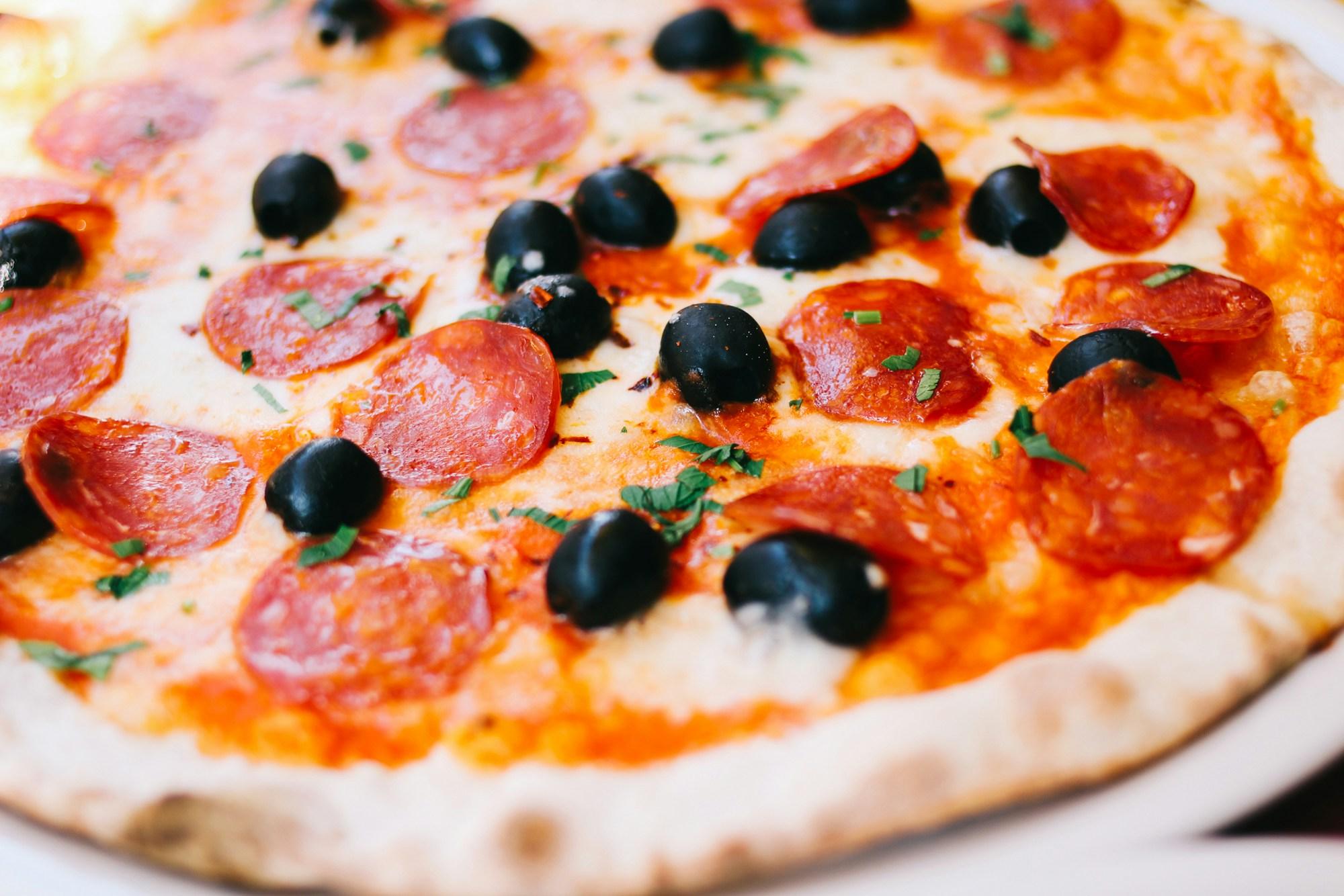
A Culinary Renaissance: How Romes Chefs Challenge the Status Quo
In the heart of Rome, a culinary metamorphosis is underway as chefs embark on a daring journey to redefine gastronomic excellence. A new wave of culinary artists is eschewing traditional accolades in favor of innovation and authenticity, leading many to question whether the revered Michelin star system still holds relevance in this ancient city.
Rome’s chefs are crafting experiences that transcend the boundaries of conventional dining, focusing on elements that the Michelin guide may overlook:
- Local Sourcing: A commitment to using locally sourced, sustainable ingredients to create dishes that resonate with the soul of Rome.
- Storytelling through Food: Each dish narrates a tale, weaving together history, culture, and personal narratives.
- Ambiance and Experience: A shift towards creating an immersive dining atmosphere that prioritizes the diner’s holistic experience over formal criteria.
These culinary trailblazers are forging a path that challenges the status quo, suggesting that perhaps it’s time for the Michelin star system to evolve alongside the dynamic, ever-changing world of gastronomy in Rome.

Beyond Stars: Exploring Alternative Culinary Accolades in Rome
In the heart of Rome, a culinary revolution is simmering. While the Michelin Guide has long been the gold standard for gastronomic excellence, some argue that its criteria may not fully capture the vibrant and diverse food scene of the Eternal City. A growing number of chefs and food enthusiasts are turning their attention to alternative accolades that celebrate creativity, sustainability, and cultural authenticity. Rome’s food landscape is rich with innovation, from underground supper clubs to pop-up street food festivals, offering experiences that might not fit into the traditional Michelin mold.
These emerging culinary recognitions highlight aspects often overlooked by the traditional star system. Consider the following attributes:
- Local Sourcing: Emphasis on using fresh, locally-sourced ingredients to create dishes that reflect the region’s heritage.
- Community Impact: Celebrating establishments that contribute positively to their communities, whether through charitable initiatives or sustainable practices.
- Innovation: Rewarding chefs who push the boundaries of traditional Italian cuisine, infusing it with modern techniques and unexpected flavors.
- Cultural Preservation: Honoring eateries that strive to keep ancient recipes and cooking methods alive in a rapidly globalizing world.
These alternative accolades offer a refreshing perspective, encouraging diners to explore the rich tapestry of Rome’s culinary scene beyond the stars.

Crafting a New Narrative: Recommendations for Michelin in the Eternal City
In the heart of Rome, where every cobblestone whispers tales of ancient feasts, Michelin has a unique opportunity to evolve its star rating system. To resonate with the soul of the Eternal City, Michelin could embrace a broader definition of culinary excellence. Here are some recommendations that could help Michelin maintain its prestige while capturing the vibrant essence of Roman gastronomy:
- Celebrate Authenticity: Recognize establishments that stay true to their roots, offering dishes that have been passed down through generations. Highlighting authentic flavors can add a new dimension to the rating system.
- Highlight Sustainability: As the world shifts towards more sustainable practices, Michelin could place a stronger emphasis on restaurants that prioritize locally sourced ingredients and eco-friendly operations.
- Embrace Diversity: Rome’s culinary scene is a melting pot of influences. By acknowledging diverse cuisines and innovative fusion dishes, Michelin can broaden its scope and appeal to a wider audience.
By weaving these elements into its evaluation criteria, Michelin can craft a narrative that not only honors tradition but also embraces the dynamic evolution of dining in Rome.
The Conclusion
As the sun sets over the ancient city of Rome, casting a golden hue on its storied ruins and bustling piazzas, the question of whether the Michelin Star rating system has lost its luster in this culinary capital remains as complex as the city’s history itself. While some argue that the stars no longer capture the vibrant, evolving essence of Rome’s dining scene, others see them as timeless beacons guiding gastronomes through a landscape where tradition and innovation dance in harmonious rhythm.
perhaps the true measure of a dining experience lies not in the accolades bestowed by an institution, but in the joy of discovery, the sharing of a meal with friends, and the stories that unfold with each bite. Whether one chooses to follow the stars or forge a new path, Rome’s culinary treasures await, ready to surprise and delight those who seek them. As with the city itself, the journey is as important as the destination, and the table is set for all who wish to explore.