
 Web
Web

In the vibrant world of fast-food marketing, where colorful mascots dance across screens and catchy jingles linger in the air, a significant question emerges: should these enticing advertisements be aimed at the youngest members of our society? Fast-food advertisements targeting children have long sparked debates, weaving together threads of creativity, consumer influence, and ethical considerations. On one hand, they are masterful works of marketing art, capturing the imaginations of children with promises of fun and flavor. On the other, they raise concerns about health, informed choice, and the shaping of young minds. As we delve into the kaleidoscope of fast-food advertising aimed at kids, we explore the intricate balance between playful persuasion and responsible communication, inviting readers to ponder the complex intersection of marketing prowess and moral responsibility.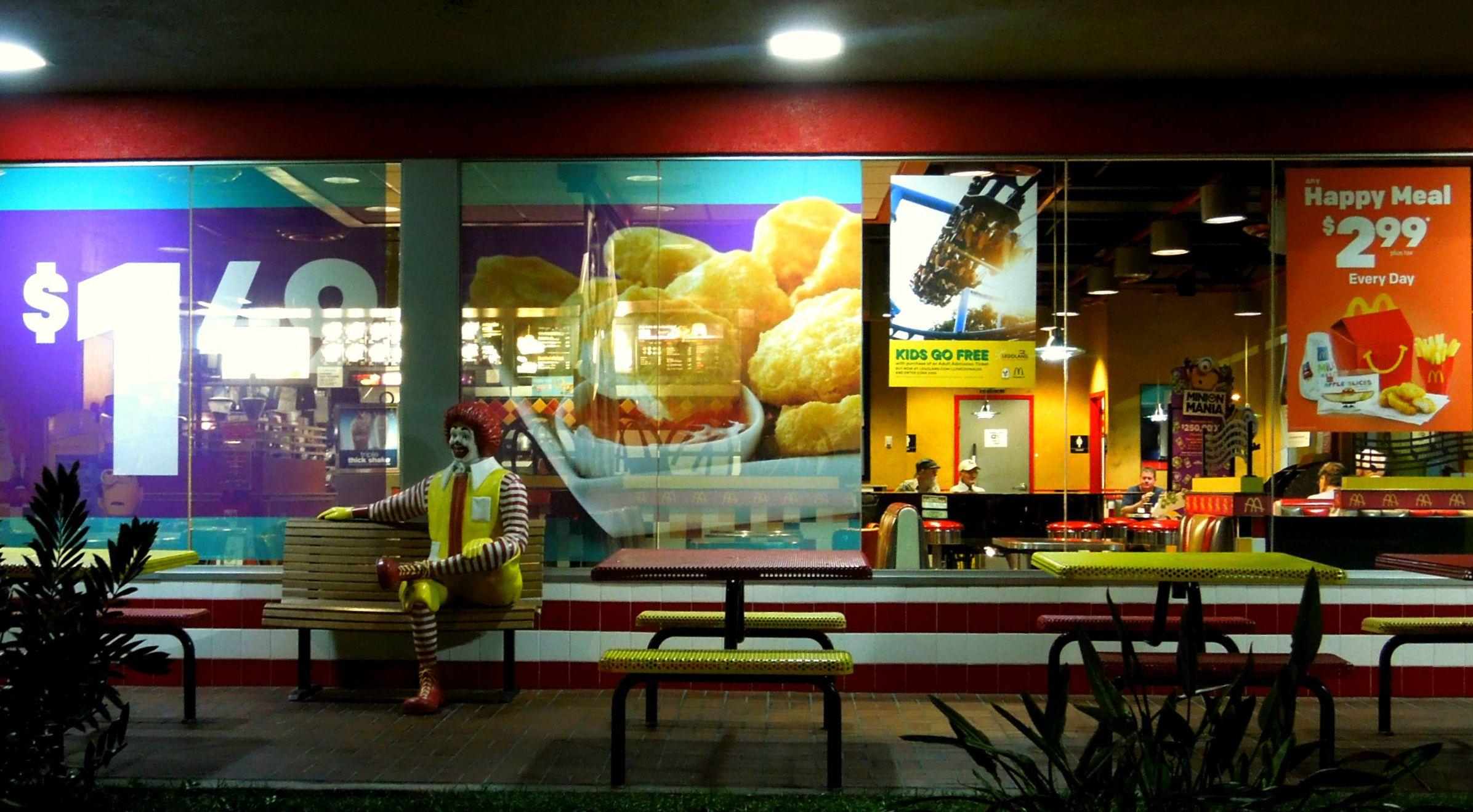
The Impact of Fast-Food Advertising on Childrens Health
The colorful, enticing world of fast-food advertising has a profound effect on young minds, shaping their dietary preferences and consumption habits. These advertisements often use animated characters, catchy jingles, and vibrant visuals to captivate their audience. Such tactics can contribute to unhealthy eating patterns, as children are more likely to crave foods high in sugar, salt, and fat after being exposed to these ads. Studies have shown that kids who are regularly exposed to fast-food commercials are more inclined to consume these foods, leading to potential health issues such as obesity, diabetes, and heart problems.
- Increased Screen Time: Children are spending more time in front of screens, which means more exposure to these advertisements.
- Peer Influence: Ads often depict a social setting, encouraging kids to associate fast food with fun and friendship.
- Brand Loyalty: Repeated exposure fosters brand recognition and loyalty from a young age.
While these marketing strategies are highly effective from a business standpoint, they raise ethical questions about the responsibility of advertising companies in safeguarding children’s health. Parents and guardians often find themselves in a constant battle to promote healthier eating habits, fighting against the allure of fast-food marketing. Balancing the scales between business interests and public health remains a complex challenge that society continues to grapple with.

Navigating the Ethical Landscape of Marketing to Young Audiences
In the vibrant world of fast-food advertising, capturing the attention of young audiences is both a strategy and a responsibility. Marketing to children presents a unique ethical landscape where the lines between right and wrong can blur. While fast-food companies argue that their advertisements are a way to engage with young consumers creatively, critics point out the potential implications on children’s health and decision-making. These campaigns often feature colorful characters, catchy jingles, and tempting promotions that are hard for young minds to resist.
- Pros:
- Creates brand loyalty from an early age
- Can promote positive messages, such as healthy eating options
- Encourages family bonding through shared dining experiences
- Cons:
- Potentially contributes to unhealthy eating habits
- Exploits children’s impressionability for profit
- May increase pressure on parents to indulge children’s demands
Navigating this ethical terrain requires a balance between creativity and responsibility, ensuring that the messages delivered are both engaging and considerate of young audiences’ well-being.

Analyzing the Psychological Techniques Used in Kid-Centric Campaigns
In the vibrant world of fast-food advertisements targeting children, a multitude of psychological techniques are deployed to capture the attention and loyalty of young minds. Bright colors and animated characters are often used to create a sense of fun and excitement, making the product more appealing to children. Advertisers frequently utilize catchy jingles and playful language to create a memorable brand experience. These elements work in harmony to make the advertisements not only engaging but also difficult to forget.
Another common strategy is the use of prizes and collectibles, which taps into children’s natural desire for collection and reward. By offering toys or exclusive merchandise, these campaigns encourage repeated visits. Moreover, peer influence is subtly leveraged, as children are often shown in social settings enjoying the product, suggesting that consuming the brand is a pathway to friendship and fun. These techniques combine to form a powerful arsenal aimed at building brand loyalty from a young age, raising questions about the ethics of targeting impressionable audiences with such precision.
Strategies for Parents and Policymakers to Mitigate Negative Effects
Parents and policymakers play a pivotal role in shaping the food advertising landscape that children are exposed to. One effective strategy for parents is to cultivate media literacy at home. Educating children about the persuasive intent of advertisements can empower them to make informed choices. Encouraging discussions around commercials and their content can also help children critically evaluate what they see on screen.
On the policy front, several measures can be implemented to protect young audiences. Regulating the time slots during which fast-food ads are aired can significantly reduce exposure during children’s peak viewing hours. Implementing stricter guidelines on the nutritional content that can be promoted to children is another strategy that policymakers can adopt. By working together, parents and policymakers can create a balanced environment that prioritizes the well-being of children over commercial interests.
- Encourage healthy eating habits at home.
- Promote educational programs that teach kids about nutrition.
- Lobby for advertising restrictions during children’s programming.
In Summary
As we wrap up our exploration of fast-food advertisements aimed at children, it’s clear that the debate is as complex as it is compelling. On one hand, these ads are a staple of modern marketing, a vibrant tapestry of colors and characters that captivate young imaginations. On the other, they raise questions about health, ethics, and the power of influence over impressionable minds.
In navigating this intricate landscape, it becomes evident that the answer may not lie in a simple right or wrong, but rather in a delicate balance of responsibility and creativity. As society continues to evolve, so too must our approaches to advertising, ensuring that they align with the values we wish to impart to future generations.
Ultimately, the conversation about fast-food advertisements aimed at kids is far from over. It invites parents, educators, marketers, and policymakers alike to engage in an ongoing dialogue, one that seeks to harmonize the vibrant allure of advertising with the well-being of children. As we look to the future, may we find innovative paths that respect both the power of imagination and the importance of health.